


Greggio Isn’t Here To Feed The Algorithm

After turning the isolation of the pandemic into an obsessive production routine, Greggio has moved from the bedroom to the inboxes and USBs of electronic music’s biggest selectors. But co-signs, industry attention and fast-moving hype mean very little if the records cannot survive without them.
Electronic music loves an overnight success story. It is cleaner that way. One breakthrough record, one viral clip, one famous DJ lifting a track out of obscurity and suddenly a new artist is everywhere. The mythology removes the years of repetition, the rejected demos, the unfinished projects and the long stretches where nobody outside a bedroom or a small circle of friends gives a fuck.
Greggio’s rise might look fast from the outside, but it was not accidental. Nor was it built around a single moment of algorithmic luck. His current position comes from a less glamorous formula: a lot of time alone, a relentless production habit and the refusal to keep reshaping his music around whatever happened to be moving fastest that month.
The COVID years became the point where music stopped being something he could approach casually. With nightlife frozen and normal routines stripped away, he buried himself in production. There were fewer distractions, fewer excuses and nowhere to hide from the quality of the work.
“COVID gave me the time to fully focus on music and develop my own sound,” he says. “The biggest turning point was staying consistent with my releases and being authentic instead of following trends.”
That word, authentic, has been wrecked by the music industry. It appears in artist biographies, campaign decks and social captions until it means almost nothing. In Greggio’s case, the test is simple. Could he keep making decisions based on what he heard in his own head, even when copying someone else might produce a quicker result?
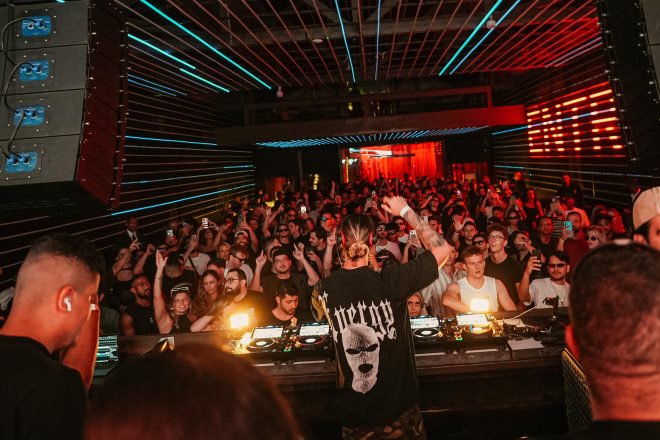
He chose the slower option.
“As more people started connecting with my music, opportunities naturally followed,” he says. “Looking back, it wasn’t one big moment. It was a combination of hard work, patience and taking every opportunity that came my way.”
The opportunities have since become difficult to ignore. His productions have found their way into the hands of Solomun, Max Styler, MEDUZA, Mind Against and James Hype, alongside a growing list of artists operating at the top end of global electronic music. These are not anonymous playlist placements or passive social-media likes. They are artists requesting the music, supporting it and testing it in front of crowds.
For a producer who started during a period when clubs were closed and dancefloors existed mostly as a memory, hearing those records played by major selectors carried a particular weight.
“Honestly, it was crazy,” Greggio says.
“The first time I saw some of the main names in electronic music playing my tracks, I couldn’t believe it. These are artists I’ve admired for years, so having their support was a huge moment for me.”
Co-signs matter. Anyone claiming otherwise is either already established or lying. A record played by a major artist can open doors that months of emails, content and carefully targeted promotion cannot. It can move a producer from the edge of the conversation straight into rooms they had previously only watched from a distance.
But support can also become a trap. Artists begin producing for the reaction, designing tracks around the tastes of the people they hope will play them. The music becomes increasingly functional and increasingly anonymous. Every kick, drop and arrangement is adjusted for approval.
Greggio sees the support as confirmation, not instruction.
“It gave me a lot of confidence, but even more hunger to keep pushing myself,” he says. “It showed me that I’m on the right path, and now my goal is to keep raising the bar with every release.”
That distinction is crucial. Confidence can harden an artist’s identity. Validation can also erase it. Greggio appears determined to let the attention sharpen his instincts rather than replace them.
BUILDING A SOUND THAT BELONGS TO HIM
Every new producer starts with references. They imitate arrangements, rebuild basslines, study drum patterns and pull apart the records that first made them want to enter the studio. There is nothing shameful about that process. The problem begins when an artist never moves beyond it.
Greggio’s early development involved the same kind of experimentation, but his ambition was never simply to become proficient at recreating existing formulas. He wanted the music to become identifiable before anyone had checked the title.
“My sound evolved naturally through a lot of experimenting and trusting my instincts,” he says. “I think every producer goes through a phase of being inspired by different artists, but at some point you have to find what makes you different.”
That point often arrives later than artists admit. The modern release cycle barely gives producers time to develop privately. Music is posted before it has matured, ideas become content before they become identities and experimentation happens in public under the constant pressure to remain visible.
Greggio has little interest in turning every studio session into a product. He produces heavily, but he does not believe that everything he finishes deserves a release date. That might sound obvious, yet it runs directly against a market that rewards constant output and punishes silence.
“I think quality will always beat quantity,” he says. “I make a lot of music, but not every track needs to be released. Every release should have a purpose and represent where I am as an artist.”
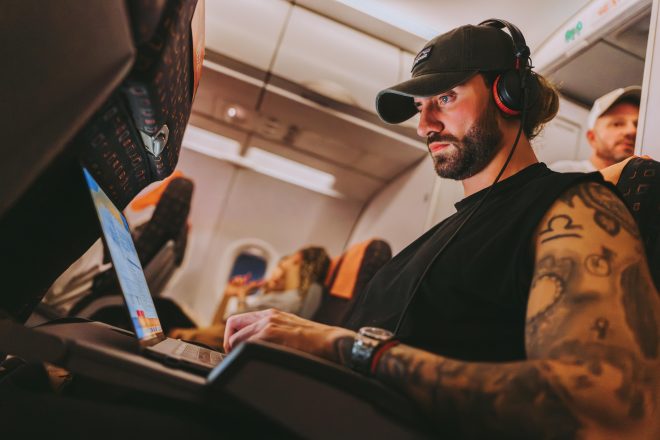
The streaming economy has convinced artists that inactivity is fatal. There is always another release to upload, another teaser to edit and another platform demanding proof that the project is still alive. The result is a mountain of disposable music, often released without enough space to build an identity or enough conviction to remain relevant once the campaign ends.
Greggio’s response is to hold records back.
“I’d rather build a catalogue that people will still come back to in years than chase short-term hype by releasing everything I make.”
It is a direct rejection of the content-farm mentality that has swallowed parts of electronic music. A catalogue is not a storage facility for every finished track. It is a statement of intent. Weak records dilute the strong ones. Releasing more does not necessarily say more.
His insistence on a recognisable sound comes from the same place.
“I’ve always believed that having your own identity is what gives your music longevity,”
“Trends come and go, but if people can recognise your sound after a few seconds, that’s something much more powerful. It feels that now we have it.”
That final sentence carries confidence without pretending the work is finished. Greggio believes the foundations are there. What happens next is not a search for an entirely new identity, but the process of stretching the one he has found without breaking it.
THE MACHINE BEHIND THE MUSIC
The myth of the self-made artist survives because it is useful. It makes careers easier to package and success easier to romanticise. In reality, almost every rapidly expanding artist project involves a network of managers, agents, publicists, label teams, promoters and personal relationships working behind the scenes.
Greggio is unusually direct about how much his career changed once the right management entered the picture.
“Having the right team around me has been incredibly important,” he says. “As an artist, you need to focus on making the best music possible, but having people you trust handling management, bookings, PR and the bigger picture allows you to do that.”
A team cannot manufacture a durable artist out of weak music, but it can stop strong music from disappearing into a badly managed release schedule. It can identify the right opportunities, reject the wrong ones and build enough structure around early momentum that the artist does not collapse beneath it.
“We all share the same vision, and that teamwork is what turns momentum into something long-term,” he says. “I definitely wouldn’t be where I am today without them. My career truly changed after having the best management.”
There is no false modesty in the statement. Greggio knows the records remain the centre of the project, but he also understands that talent alone does not organise tours, negotiate contracts, manage campaigns or protect an artist from making short-term decisions under pressure.
That pressure has intensified over the past year. Opportunities now arrive regularly, and the project is expanding beyond the studio. Every new booking, introduction or piece of support creates another possible direction. The challenge is not finding movement. It is deciding which movement actually matters.
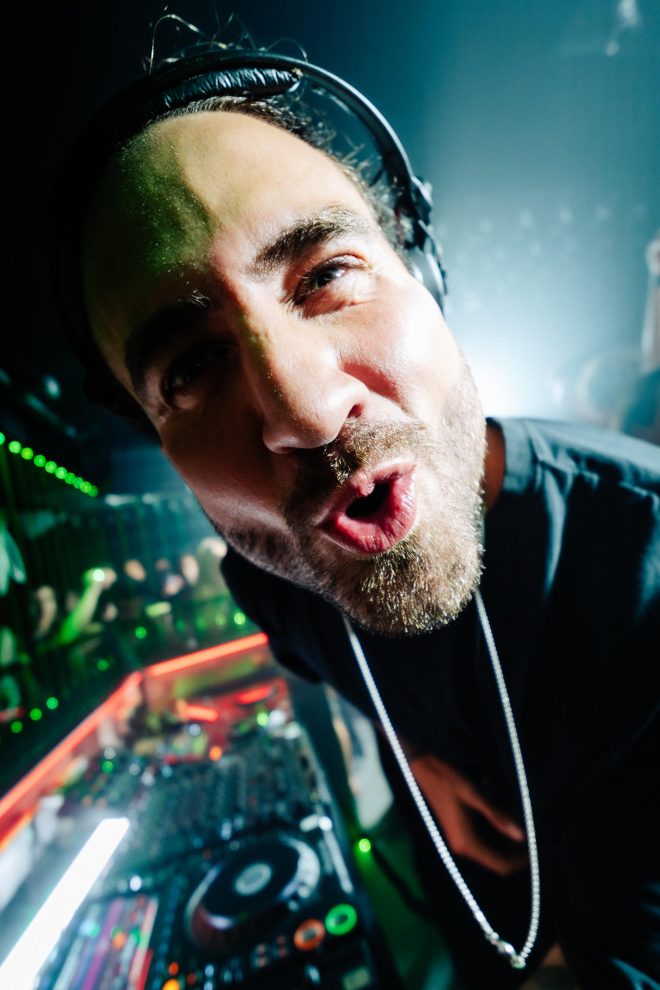
“I try to stay focused on what got me here in the first place: making great music,” he says. “It’s easy to get caught up in everything that’s happening, but I always remind myself that this is a long-term journey.”
The discipline sounds straightforward until the travel begins, the schedule fills up and the industry starts demanding attention from every direction. Greggio does not pretend the social side is irrelevant. He actively enjoys it.
“Every new opportunity is exciting, but I see it as motivation to keep improving, stay disciplined and keep raising the level with every release and every show. Also, on every trip I do a lot of networking, which is one of my favourite things to do.”
Networking is another word the industry has drained of personality. At its worst, it means forced conversations, strategic friendships and artists approaching every human interaction as a potential transaction. At its best, it is how scenes function. Records move through relationships. Bookings emerge through trust. Collaborations begin because two people spent time together outside an email chain.
Greggio understands that electronic music is not built entirely through remote uploads. It is a culture made in clubs, studios, airports, afterparties and conversations that cannot always be translated into analytics.
That physical engagement matters to the brand he is building. He does not want Greggio to exist solely as a name attached to tracks. The goal is a complete artist identity rooted in the scene itself.
“For me, it’s about creating something bigger than just individual tracks, I want people to instantly recognise the Greggio sound and connect it with quality, emotion and energy.”
Plenty of artists speak about building brands when what they really mean is designing a logo and maintaining consistent typography. Greggio’s version is less cosmetic. He wants the name to represent a standard.
“At the end of the day, I hope people see me as an artist who’s always pushing boundaries and creating music that stands the test of time,” he says. “And also someone who truly lives the culture of electronic music.”
NO FINISH LINE
Greggio is now entering the most dangerous stage of an emerging artist’s career. The first barriers have fallen. Respected DJs know the name. The tracks are circulating at a higher level. An experienced team is helping convert attention into bookings, releases and longer-term positioning.
This is where momentum can become a career. It is also where it can disappear.
Electronic music produces new names at industrial speed. Every season arrives with another group of artists described as unstoppable, essential or next in line. Many disappear as quickly as they emerged because the excitement around them was stronger than the artistic foundation underneath them.
Greggio is aware that he has not reached a destination. The recent support has expanded the scale of what feels possible, but it has not reduced the workload.
“I definitely see this as just the beginning,” he says. “My goal is to keep growing, keep evolving and continue creating music that connects with people around the world.”
The language is ambitious, but the method remains deliberately controlled. He is not promising a reinvention every six months. He is not flooding the market to exploit the current attention. He is not pretending that a few major co-signs have completed the job.
“I want the name Greggio to represent quality, passion and a unique sound,” he says. “There are still so many things I want to achieve, and I’m excited to keep building this journey step by step.”
Step by step is not the sexiest phrase in an industry addicted to explosions, breakthroughs and instant domination. It is, however, how most careers that last are actually made.
Greggio has the support. He has the team. He has the output and, increasingly, the identity. What matters now is whether he can keep saying no to the easy record, the pointless release and the opportunity that looks impressive but leads nowhere.
The hype is already arriving. His job is to make sure the music outlives it.