


Billy Currie: No Shortcuts To The Rave
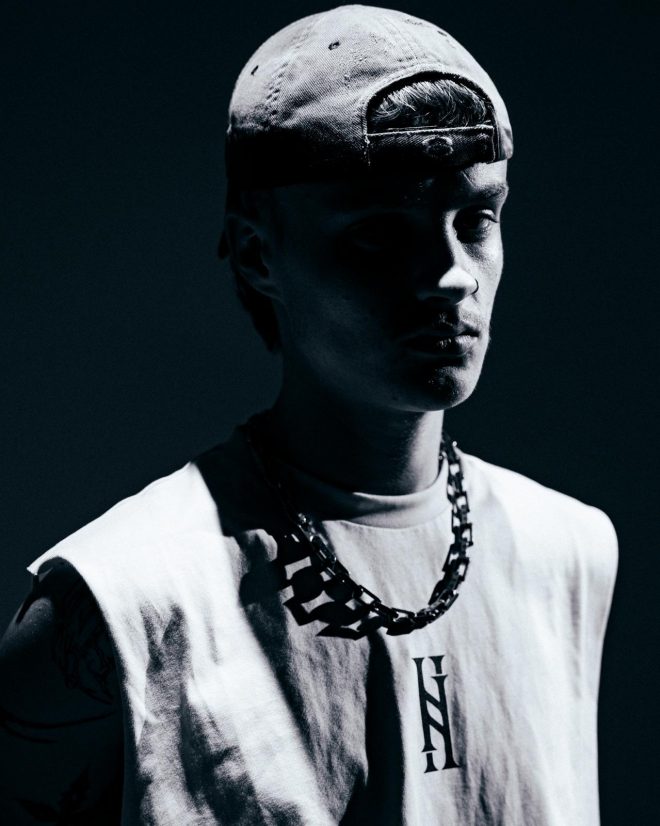
Billy Currie started chasing club culture before he was old enough to legally be part of it. From fake IDs and knocking on promoters’ doors in Melbourne to discovering techno in a dark Berlin building, joining OGUZ’s 808 Studios and earning a place at Tomorrowland Australia, his trajectory has moved quickly. Now, as he digs backwards into jumpstyle, gabber and rave history, Currie is figuring out what the next version of his own sound should be.
Billy Currie didn’t enter electronic music with a roadmap. He barely knew anyone who could have given him one.
He was young, disconnected from Melbourne’s established DJ circuit and determined enough to find his own way inside. That sometimes meant fake IDs. Other times, it meant getting around security simply to reach the promoters who could potentially hear him play. There was no sophisticated career strategy behind it. He wanted to make music, DJ and find the people who could give him a chance.
“I didn’t always know my career was going to be in electronic music, but from a young age music in all its forms was always all I wanted to do. When I started out in the DJ industry I was so young I didn’t have any ideas of really where or how to start. None of my friends were DJs or involved in the club scene. I figured the best thing I could do was to go out and try and find promoters or anyone in a position of power who could listen to me play. I used to constantly have to beat down doors and be the youngest, most unqualified artist on line-ups. I proved myself around an older crowd time and time again right from the start. This built my determination even more to make DJing my career and life.”
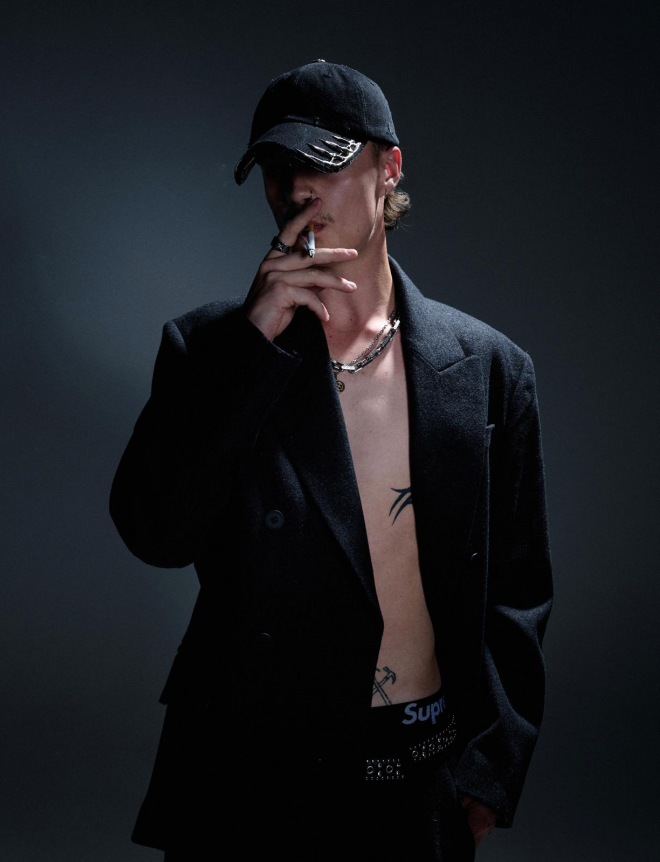
But the scene Currie was fighting to enter wasn’t necessarily one he felt connected to. His experience of Melbourne’s mainstream nightlife left him cold. It took travelling to the other side of the world to understand what club culture could actually mean to him.
On his first solo trip to Berlin, a high school friend took him to a rave at Alte Münze, once there, everything changed.
“Before going to Berlin I had only ever been exposed to Melbourne mainstream clubbing, which I never connected with at all. In fact, I hated it. But one of my high school friends took me to my first ever rave in Berlin at a venue called Alte Münze. This was the first time I heard proper techno in a dark atmospheric building. Everyone on the dancefloor had complete freedom of expression. I had never seen anything like it and I was immediately hooked. This was the moment everything changed. I instantly knew I wanted to be part of this world. That single night transformed my trajectory, sparking an intense desire to reshape my life and turn this newfound passion into ultimately my living reality.”
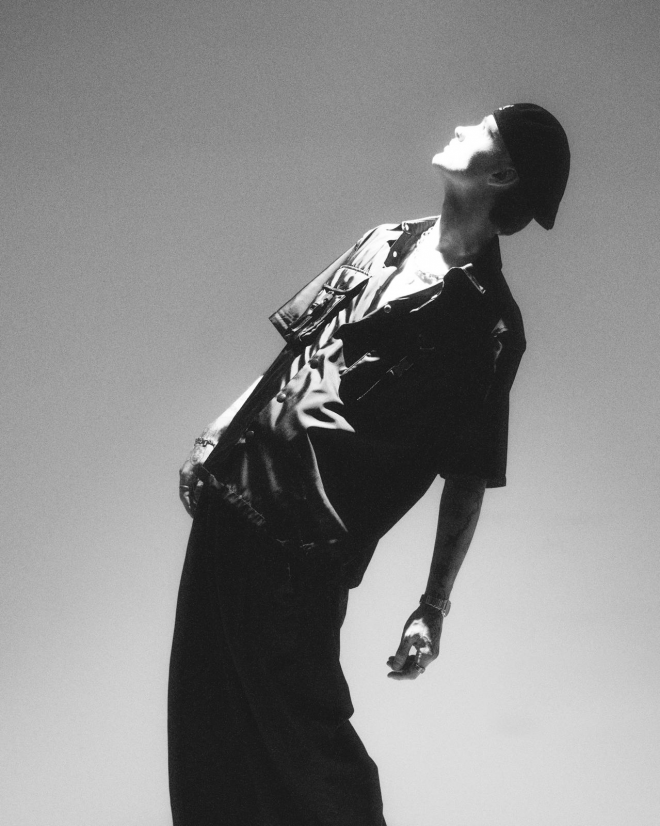
Back in Australia, things began moving quickly. Currie went from trying to get himself onto line-ups to travelling interstate regularly. There were weekends with multiple states and increasingly complicated schedules, providing an early glimpse of what touring full-time might actually look like.
“It was definitely a surreal feeling as things began to accelerate. It made me realise how much I genuinely wanted to pursue this as a career. It gave me the confidence that I was stepping in the right direction. There were a few moments of realisation that felt surreal. In particular, there were weekends where I was booked in multiple states and the travel schedule became crazy for that short few days. It really gave me a taste of what a full-time tour life could look like and I became addicted.”
The connection with audiences made that acceleration tangible. People started asking for photographs and occasionally arriving with gifts. For someone who had recently been the youngest and least experienced person on the bill, those interactions were evidence that something was beginning to stick.
His parents needed slightly more context. Hearing that promoters wanted to fly their son across Australia to DJ in dark clubs was understandably unfamiliar territory. Once they saw the crowds, travel and reality surrounding his work, the initial surprise turned into support. Currie has since brought his father directly into that world, including to his F2F debut in Sydney.
Then another relationship began changing his trajectory.
Currie’s first encounter with OGUZ came during an Australian tour. He had originally been booked for a side room, but when another DJ became unavailable, Currie was asked to step onto the main stage immediately before OGUZ. It was his first time playing to a crowd of that scale.
“OGUZ was one of the first international artists to really see the value in me. The first time I met him was on his tour in Australia. I was playing in the side room for his event, but I got asked to jump on the main stage right before him as the other DJ couldn’t do it. This was also my first set playing to a big crowd. Further down the line I started sending him music that he was playing frequently throughout his sets. Then when I went on tour in 2026 we ended up at some shows together and our friendship formed very tight and he asked me to officially join 808 Studios.”
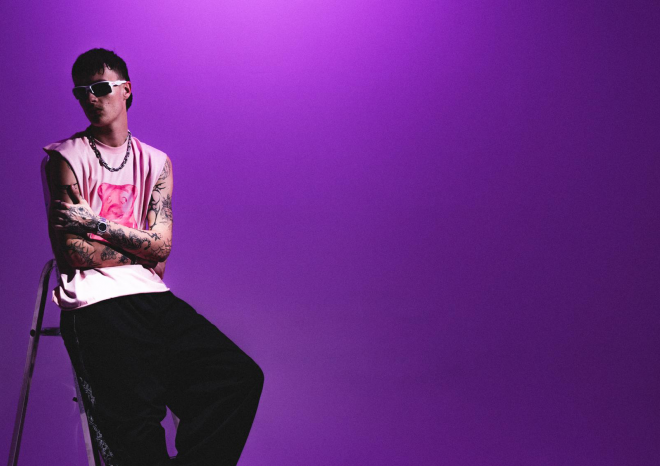
For Currie, joining the collective carried particular weight. 808 Studios had been a target from the beginning, and becoming a resident transformed something he had followed from a distance into his own creative community.
“This was a dream label of mine since the very start of my career and something I am most proud of so far. 808 is a home label with insanely talented artists that are very dedicated to supporting each other. From a collective you can’t ask for much more. I’m extremely grateful to OG for letting me into his family and I can’t wait for my next adventures with the 808 family.”
While his career has accelerated forward, Currie’s current musical curiosity is taking him backwards.
Jumpstyle and gabber have become increasingly important reference points, not simply because of their sonic aggression but because of the cultures that formed around them. His first year living in Europe was spent in the Netherlands, allowing what had initially been musical research to become something physical.
“I’m not only attracted to the genres themselves, but also the history and the movement alongside them. As I started going back and exploring jumpstyle and gabber, I became really attached to the music, but also to the culture surrounding it and what those scenes represented. What excites me most about these sounds is how raw and energetic they feel, and how much of that energy comes from a culture that was built around having fun and creating something of its own.”
The objective isn’t revivalism. Currie is conscious that borrowing from scenes with decades of history means finding something personal within them rather than reproducing their surface characteristics.
“Finding a strong sense of musical identity is really important, but for me it’s never been something I’ve tried to force. I tend to just make what I genuinely like, and quite often that means going in the opposite direction to what’s trending at the time. Every time I’m in the studio, I’m getting closer to understanding what feels right to me. Regardless of the genre, what I want to convey through my music and performances is a high-energy experience. I want people to have fun, dance hard and forget about reality for that short time. If people can connect with it and have a good time, that’s what matters most to me.”
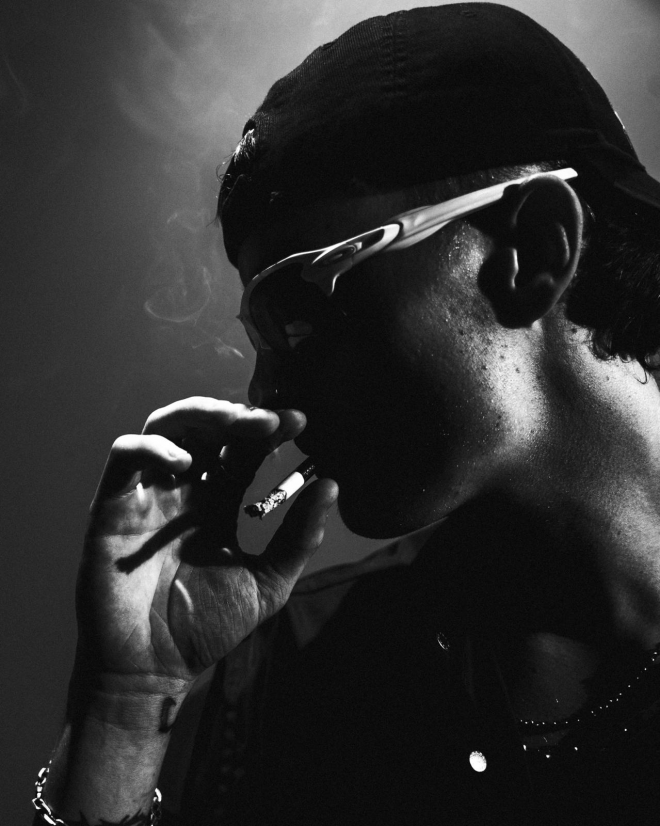
Tomorrowland Australia puts Currie on a line-up where he is one of only two local artists selected. For someone whose earliest relationship with nightlife involved finding ways into clubs that wouldn’t legally let him through the door, the contrast is difficult to miss.
“Just even being recognised by a festival brand of that size is something that I’m super proud of. When I think back to leaving school and sneaking into clubs underage, it’s pretty crazy to see how far things have come. Those early experiences are a huge part of why this moment means so much to me, because I remember how badly I wanted to be doing this at that level.”
For Currie, though, getting onto the stage isn’t the conclusion. What happens once he’s there still comes back to the same thing that pulled him into that Berlin rave in the first place: the feeling inside the room.
“For anyone discovering Billy Currie for the first time on that stage, I want them to remember the energy and the feeling of the set. I want people to walk away feeling like they need to hear more.”
Years after forcing his way into a world he barely understood, Billy Currie no longer needs to sneak through the door.
Now he wants to leave people wanting to follow him through the next one.
