


What So Not documents Kyiv’s creative community in new film with Alina Pash
‘Skyfall’ pairs a short documentary with a rooftop performance filmed in the Ukrainian capital during a period of intensified aerial attacks.
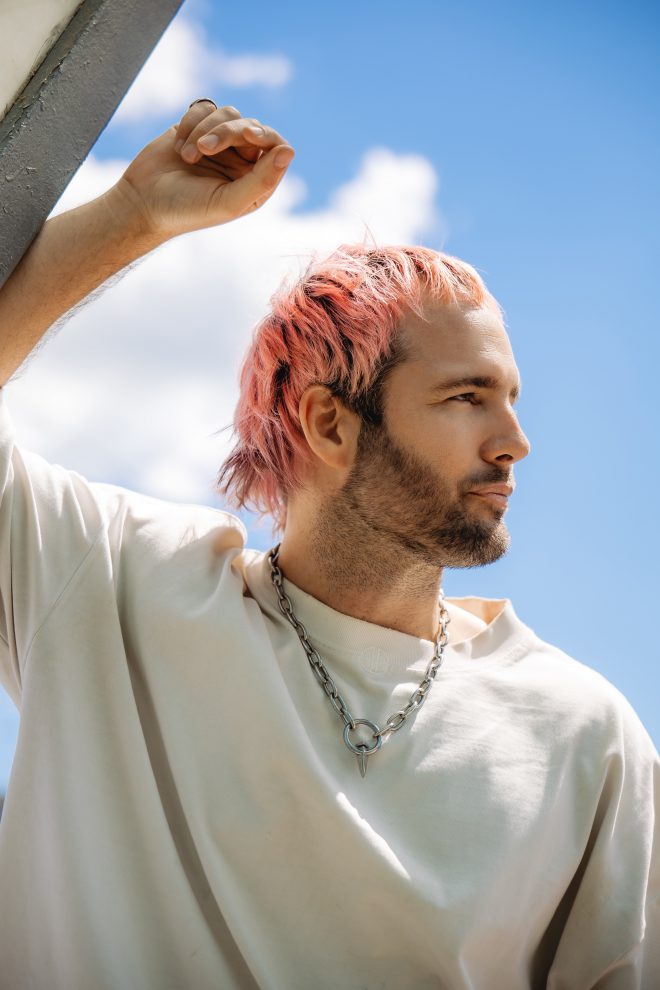
There are air raid sirens in the distance, smoke above Kyiv and another studio session waiting to begin. In ‘Skyfall’, the new two-part film from Australian producer What So Not and Ukrainian artist Alina Pash, those realities are allowed to exist beside one another.
Released following What So Not’s latest EP, ‘I SAW A TRAP DJ AND IT CHANGED MY BIO CHEMISTRY’, the project combines a short documentary with a full rooftop performance recorded in Kyiv. Its focus extends beyond the performance itself, turning towards the musicians and creative communities continuing to work in Ukraine during the war.
What So Not returned to the country to continue a creative relationship with Pash that has already produced ‘EVEREST’, ‘Candy Flipping’ and ‘Don’t Wanna Leave Yet’. While in Kyiv, he also worked with Ukrainian musicians who remain unable to leave the country under wartime restrictions.
The documentary begins on the morning of July 2, following a night of attacks on the capital. From there, the camera moves through studios, conversations and preparations for the rooftop set, while the conditions outside repeatedly interrupt the ordinary rhythm of making music.
“I’m still getting over how normalized it is here,” What So Not says in the film. “Coming straight to the studio after an attack and writing songs about throwing raves after curfew in underground shelters.”
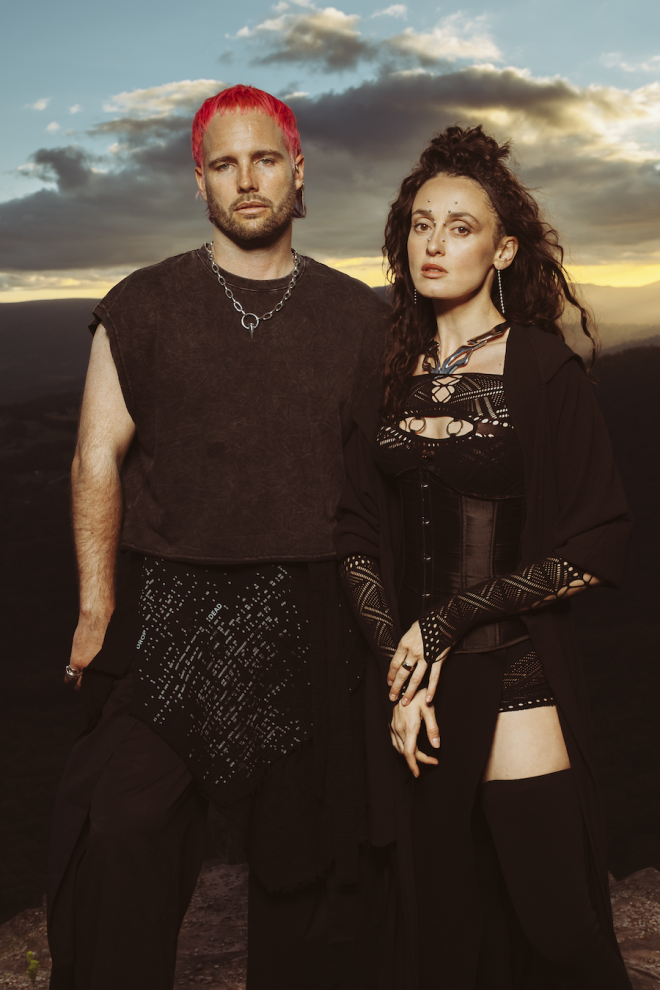
That collision between routine and instability gives ‘Skyfall’ its weight. Rather than treating Kyiv as a dramatic backdrop, the film stays close to the people living and working there. Music continues, but not in isolation from what is happening outside the studio.
The journey eventually reaches a rooftop overlooking Kyiv, where What So Not and Pash perform together against the city skyline. The setting inevitably carries meaning, though the performance itself remains grounded in the relationship between the two artists and the work they have made together.
Another night of intensified attacks follows shortly afterwards.
“It’s hard to explain the feeling of seeing it out the window, hearing the sirens, feeling the vibrations of the explosions,” What So Not recalls. “The rush to get down to a shelter. The uncertainty. The sleeplessness.”
For Pash, allowing an international collaborator into that reality is part of the point. The Ukrainian artist describes a city still attempting to maintain ordinary life while living through conditions that have become increasingly embedded in the everyday.
“Ukraine’s reality needs to be shown to the world exactly as it is,” she says. “Because it can wake something important in all of us.”
She also frames What So Not’s decision to travel to Kyiv as significant at a moment when wartime restrictions continue to limit the ability of many Ukrainian artists to work internationally.
“What Chris did by coming and playing for people who can’t leave the country, that’s not just a show,” Pash says. “I hope it inspires other artists to go where music is needed most, not just where it’s easy.”
The film adds another layer to ‘I SAW A TRAP DJ AND IT CHANGED MY BIO CHEMISTRY’, placing its Ukrainian collaborations back inside the environments and relationships from which they emerged. For What So Not, whose work has long moved through international collaborations and different corners of electronic music, the trip becomes less about expanding a catalogue than understanding what collaboration demands when geography is no longer neutral.
Pash’s closing invitation is simpler.
“Don’t be afraid to have a friend in Ukraine,” she says. “Come see us. We’re still here, still dancing, still worth knowing.”
‘Skyfall’ and its accompanying rooftop performance are out now.
