


The Dancefloor Doesn’T Need Proof
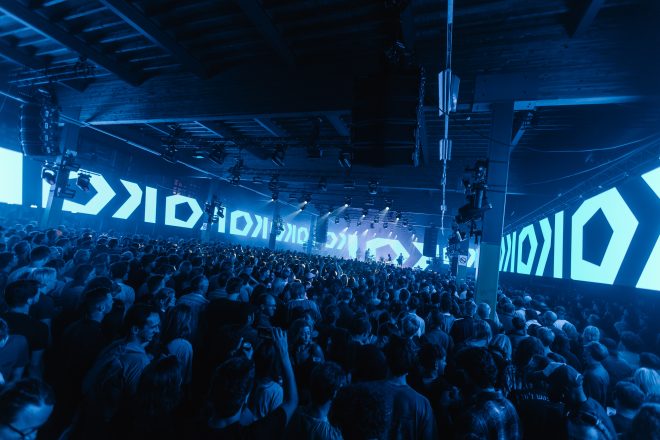
The phones go up during the build-up. The drop arrives, the video is captured, and attention drifts until the next big moment. Club culture has spent years blaming screens for changing the dancefloor. But what if the problem isn’t the phone itself? What if DJs, clubbers and the industry have collectively changed what we expect a night out to do?
WAIT FOR THE DROP
You can see it coming. The track begins to build, the energy changes and hands reach into pockets. Screens appear across the dancefloor almost simultaneously. The DJ knows what is coming. The crowd knows too. The drop arrives, hundreds react, fifteen or twenty seconds are captured and the phones slowly disappear.
There is nothing strange about recording something that excites you. People photographed concerts long before Instagram, took disposable cameras to parties and kept ticket stubs from nights they wanted to remember. A video can be exactly that: a memory. Sometimes you hear a record you love and instinctively want to keep a piece of it.
What feels different is what sometimes happens afterwards.
The phone stays in the hand. The video gets checked. A message gets answered. Maybe the clip goes onto a Story. Attention shifts until another build-up signals that something is happening. The dancefloor moves between participation and observation, as if parts of the set have become waiting rooms between moments worth documenting.
That changes the relationship with the music. A club track does not need to constantly announce itself. Some records take six or seven minutes to unfold. A groove can remain almost unchanged while tiny details appear and disappear. Much of dance music depends on repetition precisely because it can produce something physical that constant interruption cannot.
You disappear into it. But disappearing takes time.
If something spectacular is expected every few minutes, everything between those moments risks becoming empty space. The track is no longer experienced from beginning to end. The audience waits for the part it recognises as significant.
The dancefloor used to experience the track. Increasingly, it waits for the moment.
That does not mean people have stopped dancing or that an earlier generation understood clubbing better. Great dancefloors still exist every weekend. People still lose themselves in music, make friends, fall in love, stay until closing and hear records that change their understanding of electronic music.
But something about our collective attention has changed, and blaming the person holding the phone is too easy, because the DJ is waiting for the moment too.
EVERYONE NEEDS THE CLIP
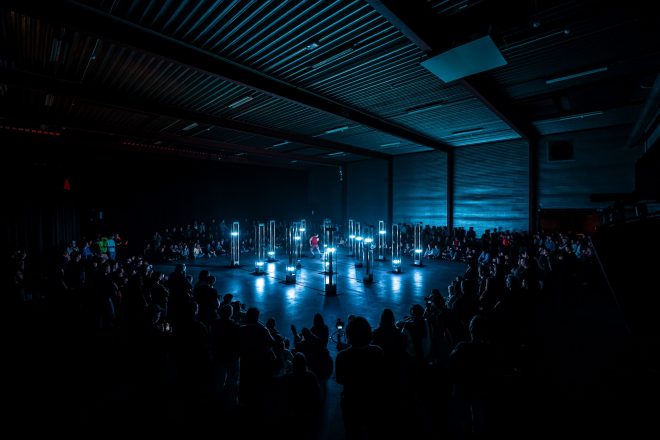
A DJ plays the record. The build-up arrives. The crowd reacts. Phones rise. Somewhere behind or beside the booth, somebody from the artist’s team is filming the crowd filming the artist.
By the following morning, everyone has what they need.
The clubber has a Story proving they were there. The DJ has a crowd-reaction video. Management and the promoter have content. The festival has material for its recap. The media has something visual to post. The track may receive another burst of attention as thousands encounter the same fifteen seconds from multiple angles.
The crowd films the DJ. The DJ films the crowd. Everyone goes home with proof.
It would be dishonest for the electronic music industry to complain about phones without acknowledging how much it benefits from them. We built an ecosystem in which visibility matters enormously, then acted surprised when visibility began influencing behaviour inside the club, that pressure reaches the DJ as well.
If the crowd loses attention between major moments, there is an obvious temptation to create another: a recognisable edit, another build-up or drop, a sudden BPM change, a record capable of making the room explode and pulling everybody back.
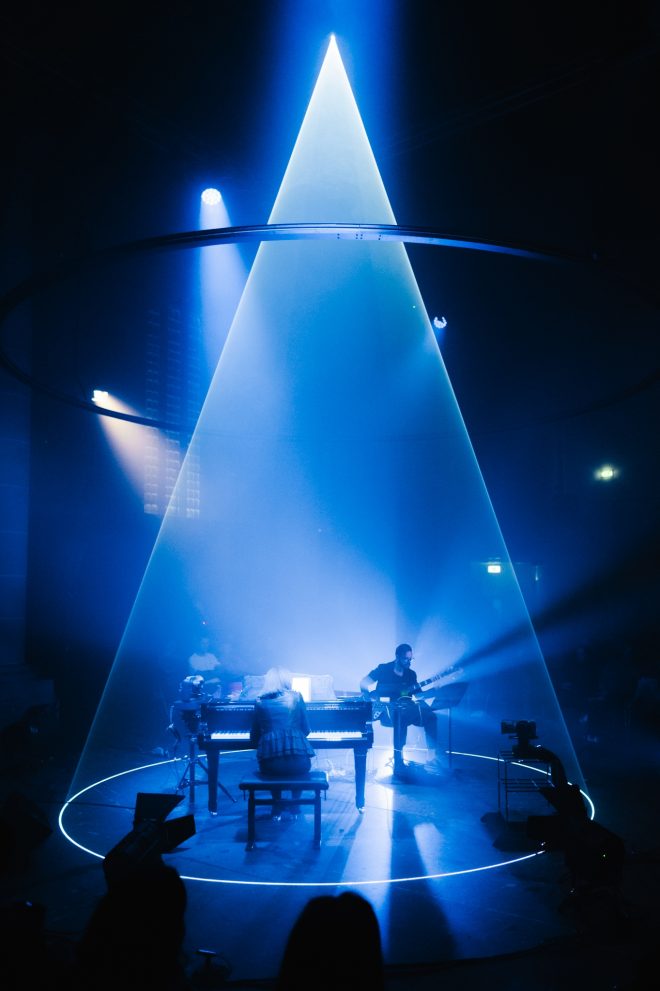
None of those things are inherently bad. A huge drop in the right room can be fucking incredible. The problem begins when a set becomes dependent on producing them.
The DJ’s role has traditionally involved more than delivering immediate reactions. A DJ can build tension, withhold gratification, introduce unfamiliar music and allow a groove to breathe. That relationship requires trust: the audience gives up control for a few hours and lets somebody else decide where the night goes.
But that becomes harder when both sides expect constant confirmation that the night is going well.
The DJ used to build the night. Now there is growing pressure to produce moments from it.
There is a physical consequence too. Many contemporary clubs and festivals position the DJ as the visual centre. The booth faces the audience. Production frames it. Screens and lighting direct attention towards it. The crowd faces forward.In that configuration, clubbing starts borrowing the architecture of a concert. When you construct a stage and place a performer at its centre, you should not be shocked when people behave like an audience.
This does not mean every club needs to hide the DJ in a dark corner. The cult of the DJ is hardly new, and watching a great selector can be part of the pleasure. But the more the booth becomes the visual centre, the easier it is to forget that the dancefloor was supposed to be one of the main events.
The clubber changes role too: dancing but also watching, participating while documenting that participation, existing inside the party while producing a version for people who are not there. At some point, everyone becomes part of the show.
THE PART THAT DOESN’T LOOK GOOD ON CAMERA
The irony is that some of the best moments in a club look like absolutely nothing on a phone.
A DJ mixing two records for several minutes. A bassline slowly appearing beneath another track. A room settling into a groove nobody needs to scream about. Two strangers dancing. Somebody closing their eyes. An unknown record. The hour when those who came to be seen have left and the remaining crowd feels different.
None of it necessarily makes compelling content.
A fifteen-second video cannot communicate patience or subtlety. It cannot explain the previous three hours that made one record feel enormous when it arrived. A clip shows the reaction, rarely the journey required to create it.
This distinction matters because eventually the things that photograph well can begin influencing the things we build.
Events need visual identities. Artists and promoters need content. Clubs need to remain financially viable. None of that is inherently cynical. Nightlife has always required promotion, and there was never a pure era when people attended clubs exclusively for music.
But there is a difference between documenting a good party and designing a party around its documentation.
No-phone policies have emerged in response. Stickers cover cameras, clubs ask people to put devices away and artists request phone-free dancefloors. The intention is understandable: remove documentation and perhaps people become more present.
That can work. It can also become another aesthetic.
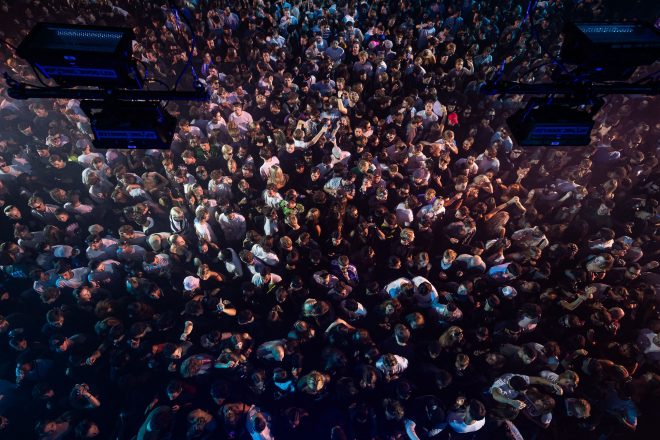
A no-phone policy does not automatically create community, just as phones do not automatically destroy it. A terrible phone-free party remains terrible. A brilliant one does not become meaningless because somebody recorded thirty seconds.
The deeper question is what the room values.
Does the DJ have enough trust to play something unfamiliar without losing the audience? Can a track exist without a spectacular payoff? Can people interact rather than face the booth all night? Can the energy fall for ten minutes without everyone assuming something has gone wrong?
Can a night contain moments that belong only to the people who were there? That last question may matter most.
Club culture has always depended on temporary worlds. For a few hours, a room exists with its own music, people, rules and energy. Then the lights come on and everybody leaves. By the next afternoon, people remember different versions of what happened.
This is not an argument for throwing phones into the nearest canal. Take the photo. Record the track that destroyed you at 3:17 AM. Send the video to the friend who should have come. Some memories deserve keeping.
But perhaps we should also protect the parts of clubbing that cannot be converted into content.
The transition nobody filmed. The unknown record nobody could identify. The conversation away from the booth. The hour when nobody needed another drop. The set that made sense because it took time to understand.
Those moments may never reach anyone outside the room. They may generate no engagement at all. And maybe that is fine.
Maybe the healthiest dancefloor is still the one that doesn’t need to prove it happened.
