


NTO: “Having less to prove, less to hide… and more to live”
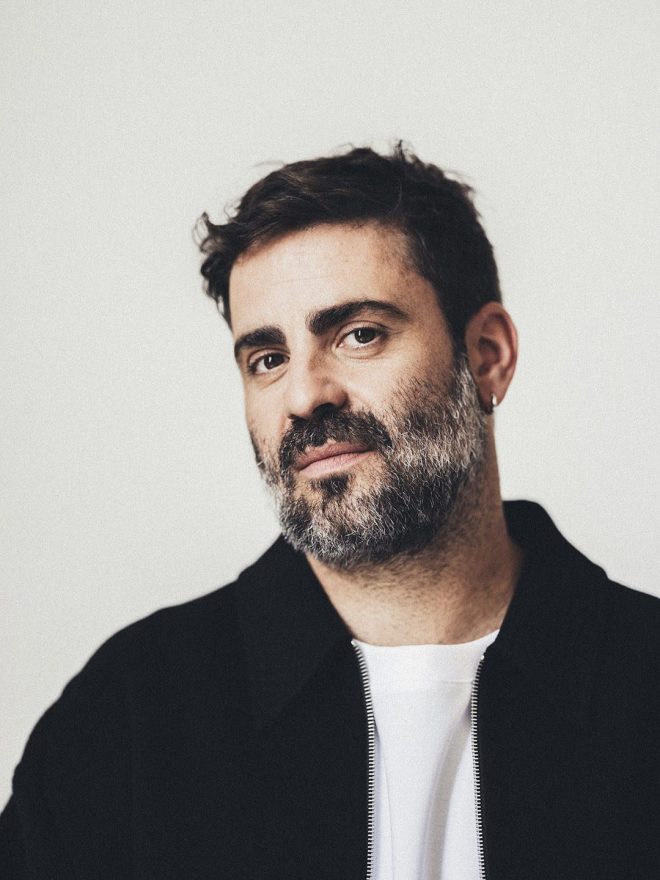
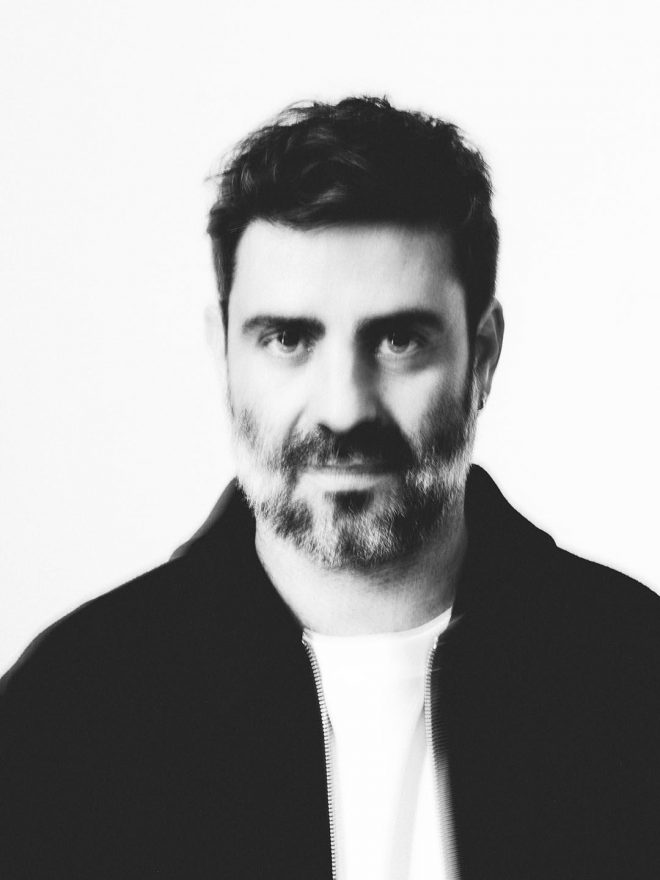
On his album NAKED, the French producer opens up about grief, sobriety and discovering his father’s private creative world. Speaking to Mixmag, he reflects on making room for imperfection, finding a different kind of intensity and becoming more comfortable being Anthony Favier.
While clearing the family home with his brother, Anthony Favier discovered a part of his father’s life he had never fully known. There were drawings, paintings and lyrics, all signed with the same name: Fior Di Macchia. The man they knew as their father had also inhabited a private artistic world, leaving behind evidence of an impulse Anthony recognised in himself. That discovery would help shape NAKED, an album made across several years in which the producer known as NTO was reconsidering how he lived, what he needed and what his music could hold.
“My brother and I knew our father obviously, but suddenly we discovered this private creative world he had. Drawings, paintings, lyrics… everything signed Fior Di Macchia, almost like an artistic alter ego,” he says. “It made me see him differently. Not only as my father anymore, but also as someone who had this need to create, probably for the same reasons I do.”
The discovery opened a route into subjects he had previously kept at a distance. Family, memory and the things passed between generations began finding their way into his work more directly. Through “Fior di Macchia”, that unexpected encounter with his father’s creativity became part of his own. It also gave the album an emotional starting point that could accommodate everything still changing around him.
“I wanted to talk about him, about my family, memories, transmission… things I probably wouldn’t have allowed so directly into my music before.”
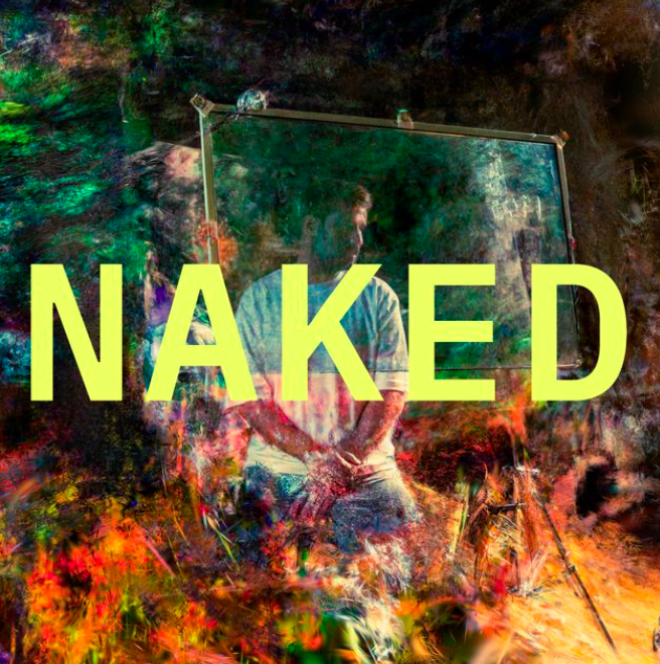
A record made across different lives
NAKED developed through grief, anger, sobriety and the gradual arrival of something calmer. Looking back, Anthony can hear those different periods within it, although he resists giving the process a single decisive turning point. The music changed as he did, sometimes holding feelings he could not yet understand. Over time, making it began to offer something beyond expression.
“Some tracks were made when I was angry, some when I was lost, others when things were becoming more peaceful. The album took a few years to make so obviously I changed a lot during that time,” he explains. “At first music was a place where I could put what I was going through, without really understanding it. And slowly it became a place where I could transform it. I think that’s the biggest difference. In the beginning I was trying to express something, by the end I was probably healing through it.”
That process produced far more music than the album could contain. Choosing what belonged required him to reconsider the criteria he used to judge his own work. A track could be strong in isolation and still interrupt the larger story; another could reveal its importance only through its relationship with the rest. Editing became a way of understanding what he had been making.
“At some point I had to stop thinking about which tracks were the strongest individually, and start thinking about what the album was trying to say as a whole. Some tracks I really loved didn’t belong there. Others were maybe less obvious but were important to the story,” he says. “I used to always want to add another layer, another synth, more impact… With this album I often did the opposite. NAKED became clearer when I stopped trying to prove things with it.”
His surroundings were changing too. Life around Marseille and the Mediterranean brought nature further into his daily experience, while guitar and piano lessons returned him to the uncertainty of being a beginner. After twenty years producing electronic music, he welcomed having fewer answers. Familiar studio instincts could give way to mistakes, simple discoveries and possibilities he might otherwise have overlooked.
“After twenty years producing electronic music you develop habits, shortcuts, sometimes you think you know what you’re doing… which can be dangerous creatively,” he says. “Playing guitar and learning piano puts me back in a place where I don’t know everything. I make mistakes, discover very simple things and sometimes one chord opens a completely new door.”
Voices, acoustic instruments and field recordings entered that expanding vocabulary naturally. Anthony describes spending more time with his family, in nature and in silence, with those experiences gradually finding their way into the studio. There was no instruction to reinvent NTO or make the project sound more organic. He was becoming interested in different ways of communicating emotion.
“I became more interested in voices because there are emotions that a synth simply can’t express in the same way. Same with acoustic instruments, field recordings, imperfections… And my life outside the studio changed too,” he explains. “I think my musical vocabulary simply expanded because my life did too.”
Leaving space unfilled
“Validation, Medication” addresses one of the questions running through this period: what happens when the things used to fill uncomfortable spaces begin to lose their authority? For Anthony, its title connects the search for approval with the different ways people manage feelings they would rather avoid. He places the track somewhere in the album’s emotional middle, where recognising a pattern comes before knowing how to change it.
“For a long time I think I searched for validation outside myself. Through music, success, people, partying… many things basically. And medication can mean different things too. Not only actual medication, but everything we use to escape or regulate what we don’t want to feel,” he says. “The track came from questioning that. What happens when you stop trying to fill every uncomfortable space?”
Sobriety has also changed the relationship between Anthony and his artist identity. He describes the earlier NTO as an amplified version of himself: more confident, more intense and continually pursuing whatever came next. Today, that distance has narrowed. Music still allows him to articulate things that remain difficult to explain in conversation, but he feels less need for a separate self to carry them.
“Getting sober, losing my parents, becoming more present with my family… all of this made me much more comfortable being simply Anthony,” he says. “But NTO still gives me a language for things I can’t really explain. I’m not always good at putting emotions into words. Give me a synth and four hours alone though… suddenly I have a lot to say.”
Becoming calmer has sharpened his understanding of musical intensity. Where he once associated force with adding more, he now pays closer attention to contrast and the space surrounding a moment. That has practical consequences for the dancefloor: a smaller passage can change how an eventual explosion feels. Peace has given him more control over when to push.
“Something can feel huge precisely because what came before was very small. It’s the same with emotions actually. When your life is constantly intense you stop noticing intensity,” he says. “So I don’t think peace made my music softer. Maybe it gave me more space to choose when I want it to explode.”
Taking intimacy into the room
Onstage, those choices remain flexible. NTO performs live using only his own music, adapting structures, drums and dynamics to the setting. Smaller rooms allow him to linger in subtle passages and take different risks, while larger stages ask for another physical energy. The live versions give the material room to respond without losing the feelings that shaped it.
“The emotion and identity stay the same, but I can change the structure, drums, dynamics to make them work differently on stage,” he explains. “Intimacy and power don’t have to be opposites. The best moments are when you can have both.”
During a difficult period, a stranger gave him a sentence he has carried since: “What lies ahead for me is worth healing for.” Its meaning has changed alongside him. Once it offered the possibility of surviving what he was going through; today, the future feels closer and more specific, found in family, music and curiosity. Being present enough to experience those things has become an ambition of its own.
“I’m less interested in constantly becoming something else now. More successful, bigger, whatever. I spent enough time running after things,” he says. “What I’m still learning to leave behind is probably the need for validation and control. And maybe that’s what NAKED means to me in the end. Having less to prove, less to hide… and more to live.”
