


Hurts: Finding Direction
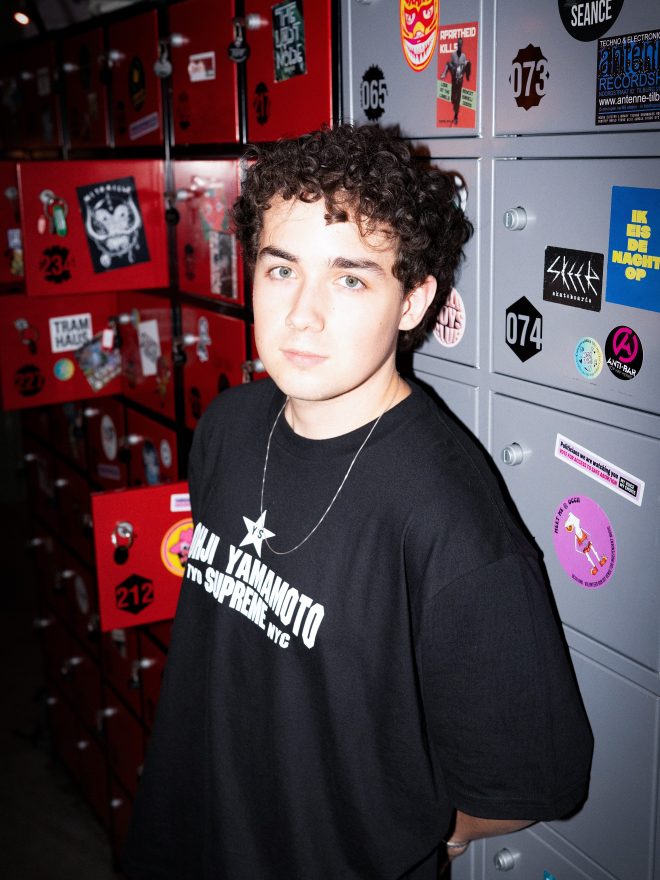
Music was never simply a hobby for Hurts. Long before production or DJing became a career, it was already shaping the way he saw the world. Looking back, he describes music as the one constant that stayed with him from childhood, eventually growing into an ambition that felt bigger than he could fully understand at the time.
“As a child, I realised how boring life would be if there was no music,” he says. “I’ve always dreamed very big. Becoming a DJ, without really realising what it actually was, was one of those big dreams that slowly grew on me over time.”
Production followed naturally, giving him a way to transform ideas into something personal. The search for a creative identity wasn’t immediate. Instead, it was defined by experimentation and an unwillingness to settle too quickly.
“There were several moments where I thought, ‘This is it,’ in terms of finding my own sound. But every time I thought I had found it, I kept coming back to creating different things instead of committing to one sound because I was always too curious.”
As he began spending more time in clubs, another idea took hold. Electronic music wasn’t only about energy or release. It could also be unpredictable, sometimes even uncomfortable, creating moments of tension before drawing an entire room back into the same rhythm. That discovery expanded his understanding of what club music could be and continues to shape the way he approaches his own productions.
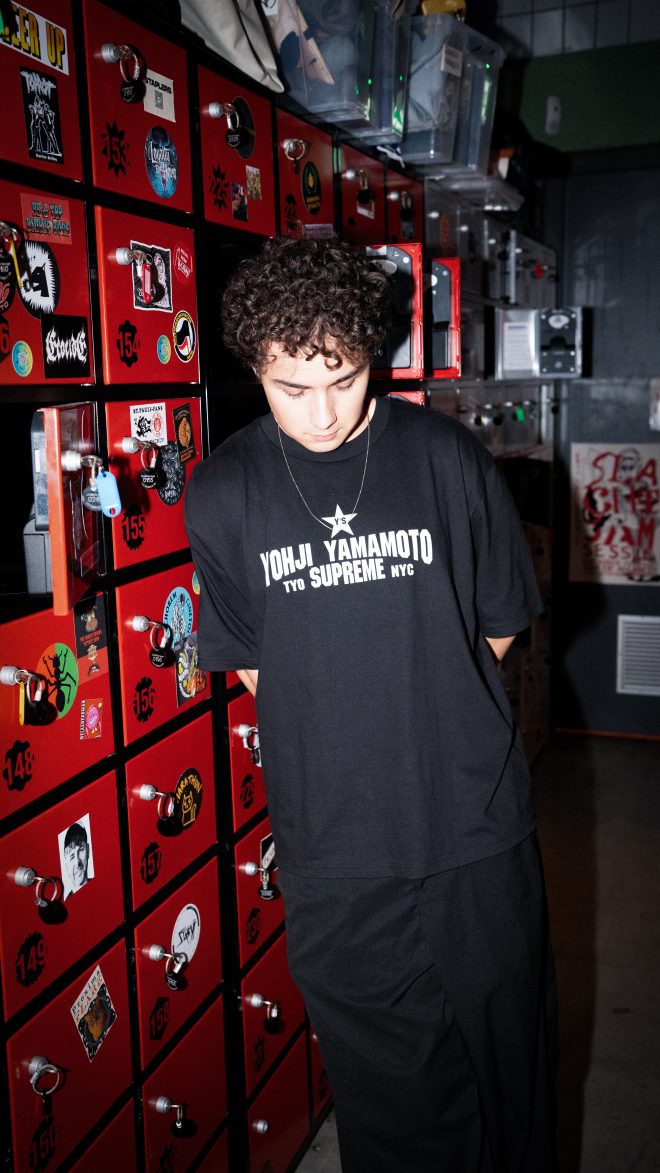
“I never want to feel like I’m repeating myself or making music just because it’s what’s expected,” he says. “As long as I’m still excited by what I’m making, I believe listeners can feel that too. That’s what keeps the project honest.”
That mindset only deepened after moving from Alkmaar to Berlin through a conservatory exchange programme. What began as six months abroad quickly turned into regular club bookings and an introduction to a community that continues to shape his career.
The transition wasn’t without doubt. Surrounded by artists he admired, Hurts found himself questioning both his technical ability and his place behind the decks. Longer sets, unfamiliar crowds and time spent inside Berlin’s club culture gradually replaced comparison with confidence.
“I realised there isn’t one right way to express yourself as an artist. Performing isn’t always about being the loudest person in the room. Sometimes it’s about letting the music speak for itself.”
Looking back, Berlin didn’t change his direction as much as it strengthened his confidence to follow it. That confidence also changed the way he listened.
Staying Open
While his sets are rooted in contemporary club culture, much of Hurts’ inspiration comes from outside electronic music. Modern and UK rap, trap and hyperpop occupy much of his everyday listening, not as genres to imitate but as sources of ideas that eventually find their way into his productions.
“I love the attitude, the drums, the vocal production, and the freedom those genres have to constantly evolve,” he explains. “Depending on the production, they can feel aggressive, vulnerable, nostalgic, or incredibly uplifting, and I think that’s what keeps me coming back to them.”
Those influences rarely appear in obvious ways. Instead of borrowing genres wholesale, Hurts allows ideas to evolve naturally inside the studio. Many of his tracks begin with little more than a beat before gradually finding their place on the dancefloor.
“I’ve never really been interested in blending genres for the sake of it. It’s more about taking inspiration from the music I genuinely love and reinterpreting it through electronic music in a way that still feels authentic to me. I don’t want to make electronic music that only references other electronic music.”
Discovery remains just as important as creation. One of the experiences that continues to stay with him came during his first club night in Berlin, when an artist he had never heard before moved effortlessly between house, acid, breakbeat and techno.
“I walked out of that club feeling incredibly inspired, not because I suddenly wanted to make the same music, but because it reminded me how powerful it is to experience something you never saw coming.”
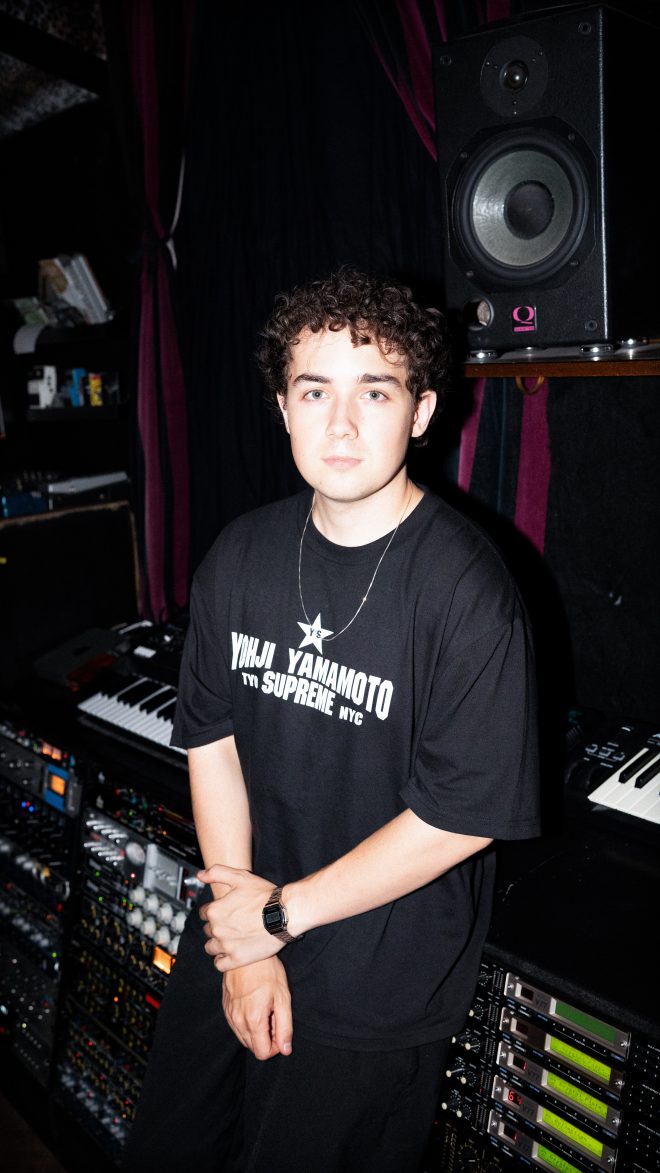
For Hurts, those unexpected moments matter more than following trends. Remaining open to unfamiliar sounds has become part of the creative process itself.
“The curiosity is often more important than the outcome. It’s what keeps me excited to sit down in the studio and keeps me growing as an artist.”
That curiosity extends beyond his own work.
“I hope we never lose that culture of discovery within electronic music. Some of the biggest moments in my own journey came from taking a chance on an artist I knew nothing about. You never know which night, artist, or record might completely change the way you think about music.”
The Next Chapter
That same openness carries into the studio, where Hurts avoids following a fixed routine. Ideas arrive in different forms and each track is allowed to find its own direction before expectations begin to shape it.
“I don’t really have one fixed way of starting a track. Sometimes it begins with a beat, sometimes it’s a melody, a vocal, or even just one sound that catches my attention. I try not to force a process, because I think the best ideas come from following whatever excites me in that moment.”
Collaboration has become another essential part of that process, offering fresh perspectives that either reinforce his instincts or challenge them completely.
“Every artist has their own way of thinking about music, and I find it inspiring to step into someone else’s creative world for a moment. Sometimes it confirms my own ideas, and other times it completely changes the way I look at a track. Staying open to those different perspectives is one of the best ways to keep growing as a producer.”
The conversation doesn’t end once a record leaves the studio. Before sending new music to other artists, Hurts prefers to test it himself in a club, listening as much as watching.
“Hearing it in a club tells me things I can’t always hear in the studio. It’s less about whether people go wild for it and more about understanding the flow of the record, how the energy develops, and whether it creates the atmosphere I was aiming for. Audience reactions are important, but I don’t want them to dictate my music. I see them more as another perspective that helps me refine what already feels true to me.”
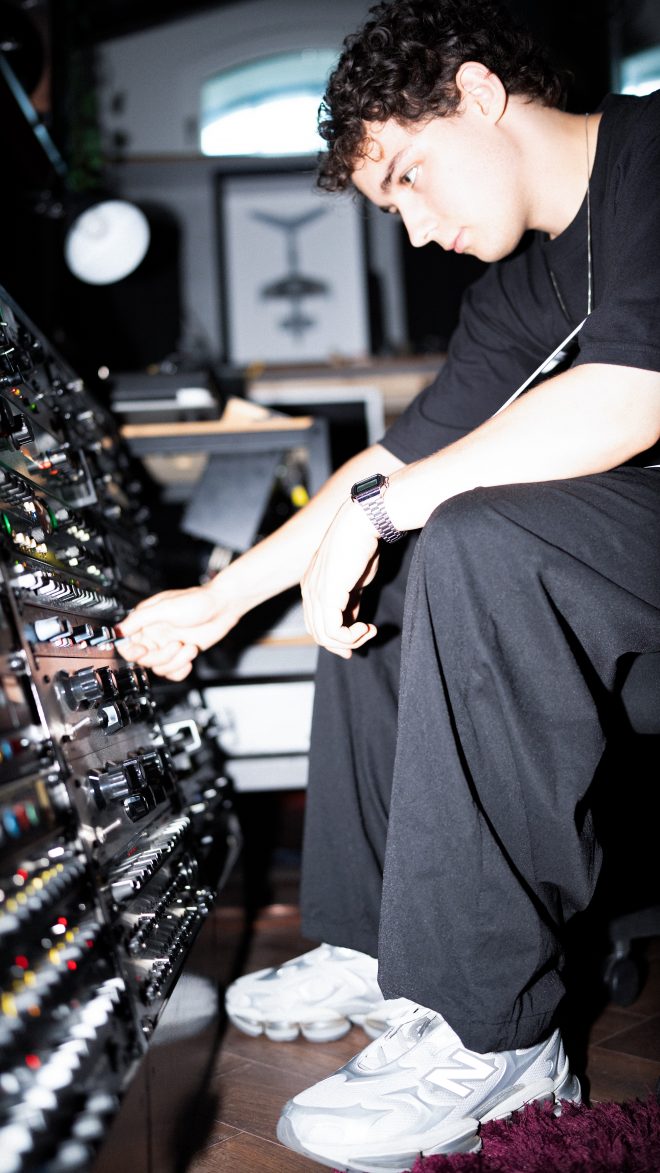
That philosophy has earned loads of support with plays on the biggest stages and releases on plenty of settled labels. Still, Hurts speaks less about milestones than about what comes next. Still, Hurts speaks less about milestones than about what comes next.
“The music I’ve been making recently feels like the clearest reflection of who I am as an artist. It’s always going to be a balance between records that are made for the dance floor and music that people genuinely want to come back to outside of a club. I don’t see those as opposites. I think the challenge is finding the sweet spot between the two.”
The next body of work moves towards a more melodic and less predictable direction while preserving the energy that has become part of his musical language. Rather than describing the months ahead as another release cycle, he sees them as the beginning of a new phase.
“I’ve been working on projects that push me creatively in completely new ways. For me, this feels less like the next release cycle and more like the beginning of a new chapter for the project.”
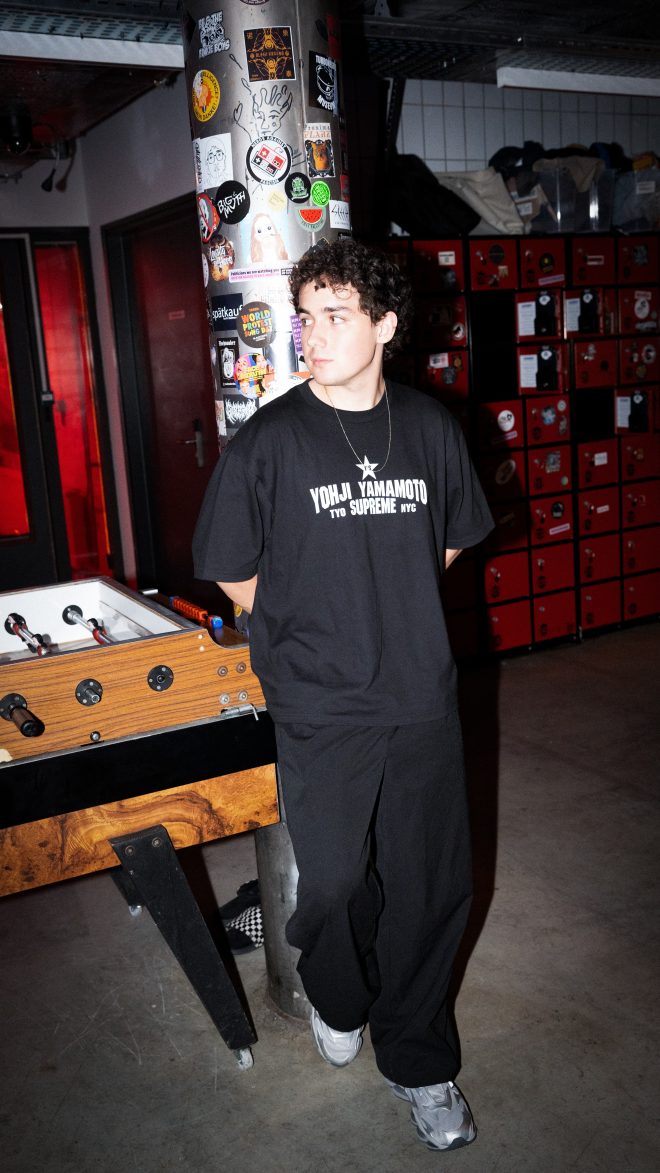
Throughout the conversation, Hurts returns to the same idea in different ways. Whether he’s talking about discovering a new artist, testing a record in a club or beginning a track with a single beat, every step starts from the same place: following whatever captures his attention. The process hasn’t become more rigid as the project has grown. If anything, it’s become even more open.
That outlook continues to shape what’s coming next. The new music leans further into melody and unexpected ideas while holding onto the energy that first connected him with dancefloors. It’s not presented as a reinvention, but as another step in a process that still feels unfinished, leaving room for the next unexpected record, the next unfamiliar influence and the next chapter of the project.
