


Dbbd: Maybe Pop Is My Next Calling
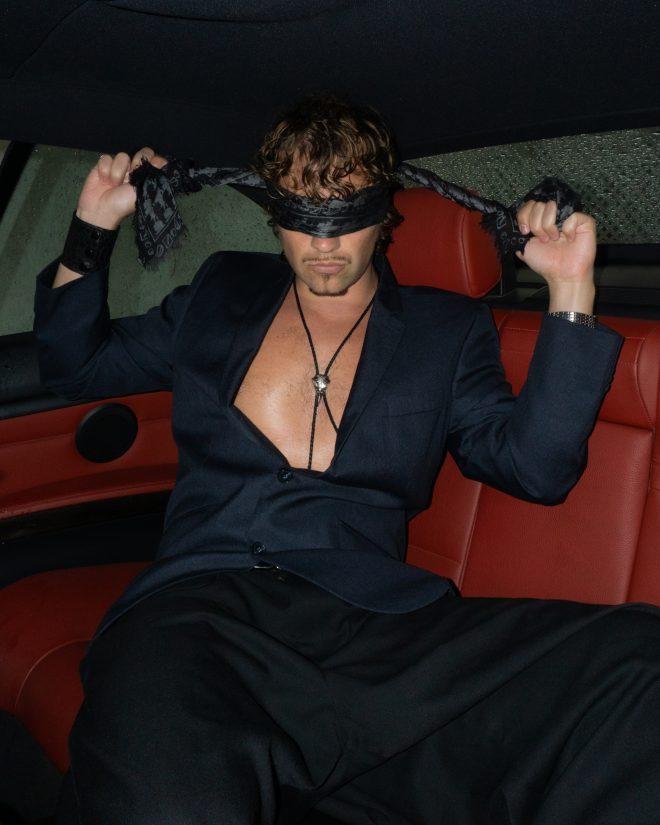
After eight years in Berlin, DBBD is thinking about breakfast burritos. The Pacific Coast Highway. A car. Sunlight. Even the possibility of playing music at an hour when the dancefloor is not surrounded by darkness. None of this amounts to a rejection of the city that shaped him. It sounds more like someone recognising that a relationship has done its work. Berlin taught DBBD how to make club music, how to move through nightlife and eventually how to work inside the machinery behind it. Now he wants to know what happens when that machinery is no longer the centre of his everyday life.
"I'm excited about moving back to the States, but I'm definitely a little nervous too. I think it's going to feel really good to return to the place I spent a lot of my childhood. I just want to drive my car down the PCH, eat breakfast burritos and be in the sun all day. I'll definitely still be coming back to Europe during the summers for touring because I know I'm going to miss it. Having grown up partly in the US and partly in Europe, my heart will always be a little bit torn between the two. But I've spent 8 years in Berlin now so I think I'm ready for some change."
Berlin entered his life through considerably less deliberate circumstances. Before curated lineups became central to how he understood a night, he remembers simply arriving somewhere and allowing the club to tell him what was happening.
"When I moved to Berlin I used to just show up to a club not knowing who was playing or what club I was at. Nowadays it seems like every party is carefully curated by promoters, which can be good of course but it makes partying more conscious."
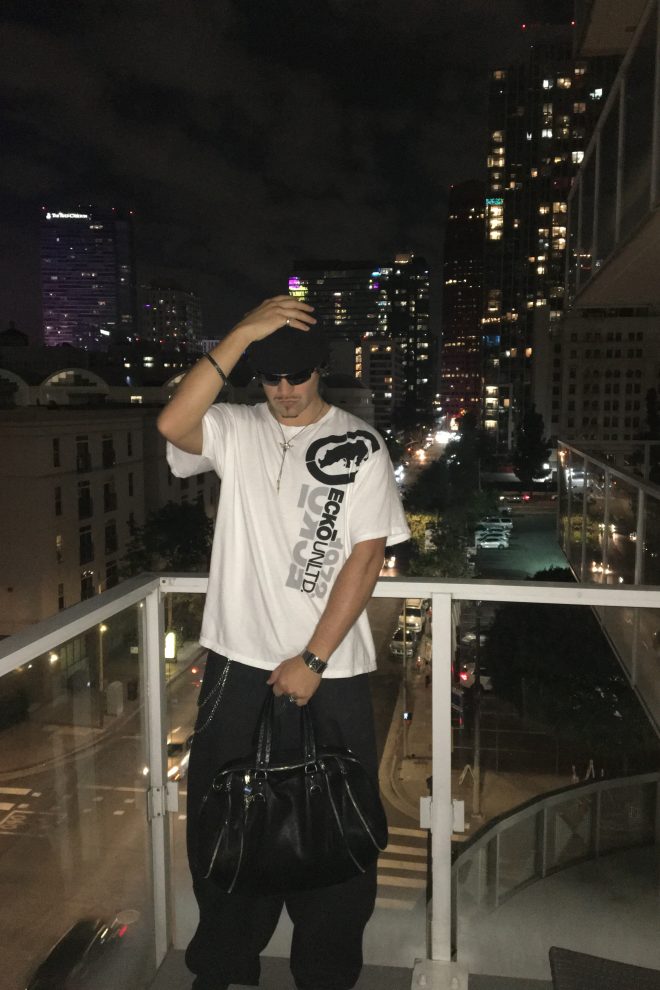
The city changed around him. So did the range of sounds and personalities occupying its harder corners.
"I think the hard techno and classic techno lovers had a hard time accepting the lightness and fun that some artists started bringing to the scene. But I think it actually created so much depth because there was such a mix of music that started happening, and many DJs became more of a spectacle through social media. It's really cool to be a part of that change."
DBBD belongs comfortably to that collision between club functionality and something lighter, more immediate and occasionally mischievous. Bounce, groove and trance move through his productions alongside vocals and melodies designed to remain in the head after the physical memory of the night has started disappearing.
His test for a track begins with the body.
"I always liked sexy beats that get the body moving. At the club I remember when a good song had a vocal blended in, that's what stuck with me after a night out. It's the little details that scratch my brain, accompanied by a steady groove that will make a track stand out to me. Still to this day when I go out and hear a unique track that feels dark but playful and sexy, I get my phone out to record it for inspo later."
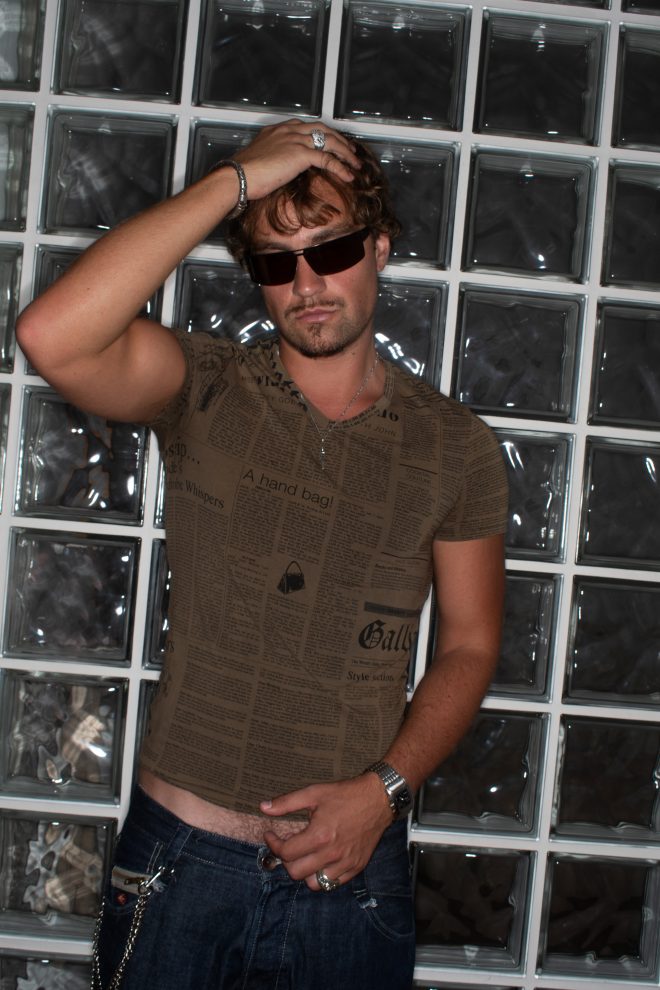
There is no rigid system behind how those details become his own music. Early productions established a direction, but DBBD is comfortable abandoning an idea when it stops giving something back.
"My early productions really paved the way for my sound. However, when there is so much new inspiration it's easy to get swayed and want to explore. I think a lot of my stuff happens naturally and if something isn't sounding good I just move on and start new until I like it."
Starting can be intimidating precisely because nothing has been decided yet. Finishing presented the opposite problem.
"When starting a new project it can be intimidating as the options are genuinely infinite, so it's great to have a desired direction to go into. However, some of my best work came from spontaneous sit downs where I messed around with a new plugin or jumped on a random idea I had. I think one of the biggest things I've struggled with is knowing when a track is finished."
Learning to release music required becoming less precious about the point at which possibility turns into a finished record.
"I've reached a point where I'm not so hard on myself, which has led to many productions being released instead of sitting in the dustbin forever. So to all my fellow producers out there struggling to release, just let them go because you might have heard your tracks 100+ times but to everyone else they are fresh bangers."
Collaboration introduces another version of that negotiation. Female vocals have been present around DBBD's production from early on, and he has repeatedly found that a strong voice can open a club track into territory his instrumentals might not reach alone.
"Since I started out collaborating with a female artist, I've always loved the way my beats compliment a female voice. Anytime I make a track for the club I know that a strong female vocal would immediately enhance it. I really appreciate the females that I've worked with because they have allowed my sound to be heard in scenes that it normally might not have reached."
But two recognisable identities do not automatically produce a useful third one.
"However, production chemistry also matters. It can be really tough to work with strong identities, especially if both of you have already developed your sound. I've actually had big collabs that never worked out because our sounds couldn't come together, even though individually we each brought a lot of talent to the table."
Fashion has become another part of how that identity is read. DBBD sees a club environment increasingly attentive not only to what a DJ plays but to the person playing it, something he enjoys even as he recognises the wider shift towards personality as spectacle.
"I think fashion and music have always been closely connected for me. The scene has become much more observational of a DJ's persona, so what you wear has become another part of how people experience and understand you as an artist. Recently I feel the most authentic in my style, although there are still plenty of people asking for the mullet back."
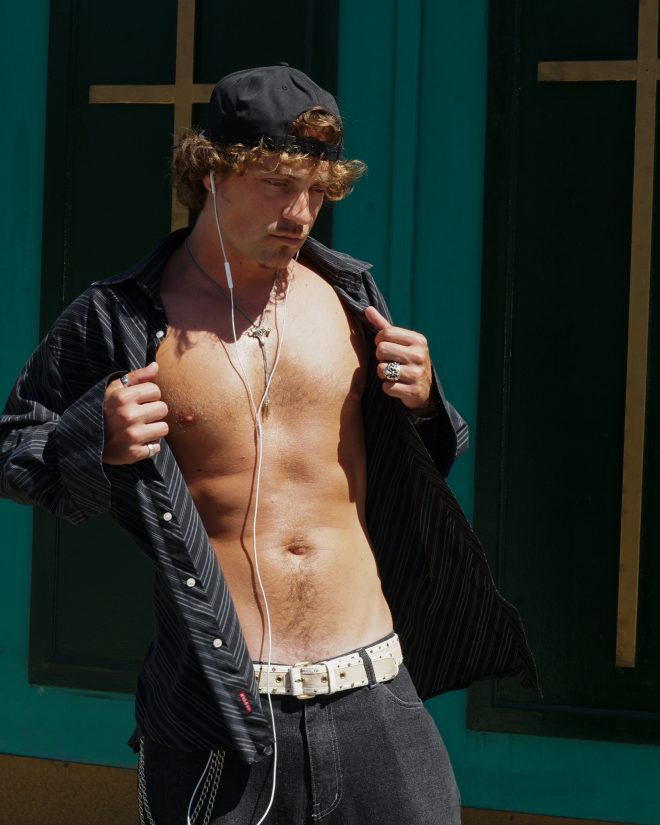
Clothes can alter the night before the first track does.
"For me, being in a planned outfit that gives me confidence genuinely makes a night out better and I lowkey also DJ better. I love arriving to a party full of interesting people that show off their unique style."
The demand to remain visible becomes less enjoyable once it moves from the club into the continuous economy of social media. DBBD understands what online attention has done for his career. That does not mean he particularly enjoys feeding it.
"I'm actually not very adept at social media but I try to put myself out there with content. I have a content person and she's always bugging me to post more but it lowkey requires more energy than making beats. It stresses me out. At the same time I try to not take it too seriously because it can get toxic chasing after views and likes. I like posting things that feel like me."
The contradiction is difficult to avoid for an artist whose career developed inside the same generation of nightlife he describes becoming increasingly visual.
"The music still always comes first but in our generation, I'm aware how important marketing is and that it's probably the reason my career took off in the first place. I always love shooting music videos because it really brings your sound to life and almost gives it a story. However, there is also such an abundance of content these days that sometimes I feel like music can just speak for itself and does not need to be marketed endlessly."
Touring has exposed another side of the industry. The privileges are real, including one DBBD is happy to admit after experiencing Berlin's doors from the other side, but so is the constant adjustment involved in moving between unfamiliar environments.
"Being on the other side of it has definitely made me respect the industry a lot more because it's much harder than it looks from the outside. You're constantly being put into new environments, meeting new people and adapting to different situations, and I think that has made me grow as a person and become much more open."
And then there are the simpler advantages.
"Obviously it's amazing being taken care of at a gig and not standing in queues lol, it's a really cool feeling after being rejected by bouncers in the past. However, I still love going out when I don't have to play and just being able to turn off and enjoy other people's sound."
The move to the United States will introduce a much larger version of that change in environment. DBBD does not know exactly what Los Angeles will do to his music, which is part of the attraction. What he does know is that years of late nights have made other possibilities increasingly appealing.
"I'm curious to see how my sound can translate into different genres and scenes, and hopefully create some blends that feel fresh and unexpected. I'll always love techno, but I'd also like to explore music that can be played anywhere at any time of the day. I've spent years playing late night sets in dark clubs, so I wouldn't mind some chill set times in the sunshine."
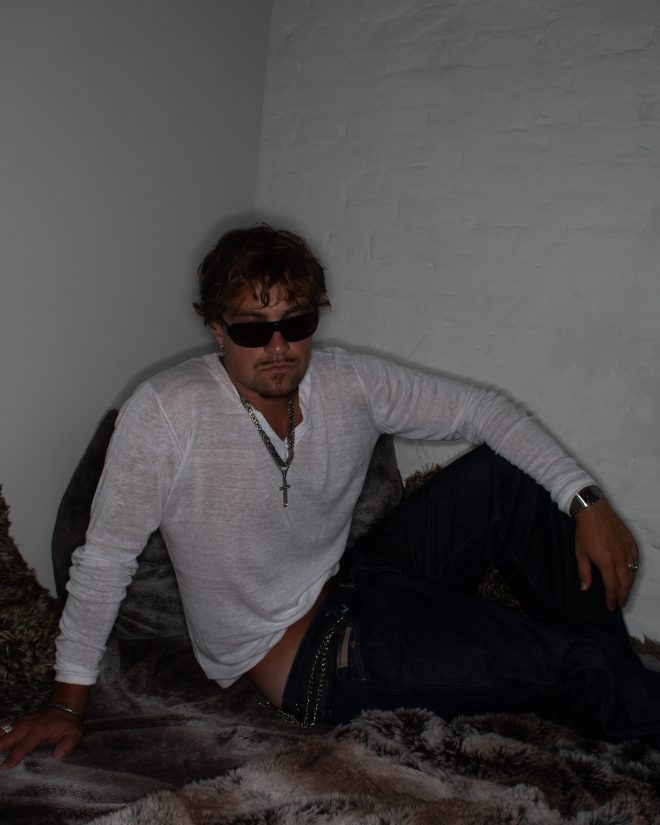
He expects some of Berlin to travel with him. He also expects Los Angeles to interfere.
"I feel like I can bring a little bit of that European spice with me, however I'm sure LA will naturally influence me, like any new city would. Maybe pop is my next calling."
Before any genre shift, there is a more fundamental recalibration to make. DJing became weekly work and eventually DBBD's primary income, while the practice that originally sat at the centre of the project had progressively less room.
The next chapter starts by correcting that balance.
"Right now, I'm doing more collaborations than ever while also trying to take my solo career to a level that feels right for me. Producing has always been my first priority, but when DJing became a weekly thing and my main source of income, production naturally took a bit of a backseat. I'm at a point now where I really want to rebalance that and put more energy back into creating, because I think that's more me at my core."
Where that eventually leads remains deliberately unresolved. DBBD can imagine a party series, a club or a label, but the exact structure matters less than having somewhere to extend the instincts he has spent years developing inside other people's spaces.
"Longer term, I'd love to create a scene of my own in some form, whether that's through a party series, opening a club, or starting my own label."
