


AMSTERDAM DANCE EVENT 2026
Four events, four perspectives on Amsterdam’s evolving electronic music culture
GASHOUDER PRESENTS: JOSH BAKER
25 October 2026 | Gashouder, Amsterdam
A familiar space, a renewed sense of purpose
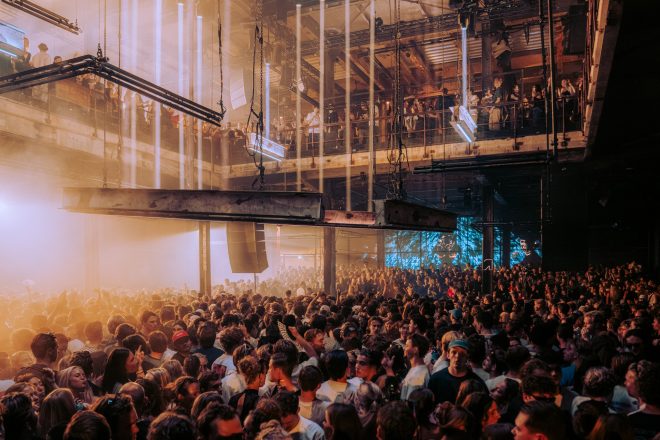
Some venues carry a history that extends beyond the events they host. Amsterdam’s Gashouder is one of them. Its industrial architecture and longstanding relationship with electronic music have made it a reference point for generations of clubbers. During ADE 2026, Gashouder Presents: Josh Baker offered a reminder of what the space can represent when programming, production and audience find a common rhythm.
Taking place on Sunday, October 25, the daytime event brought together Josh Baker, Marsolo, Marie Montexier and ALEXANDRIA for a programme that moved through different interpretations of house and tech house. Rather than relying on a single musical direction, the lineup allowed individual approaches to develop naturally, creating continuity without sacrificing contrast.
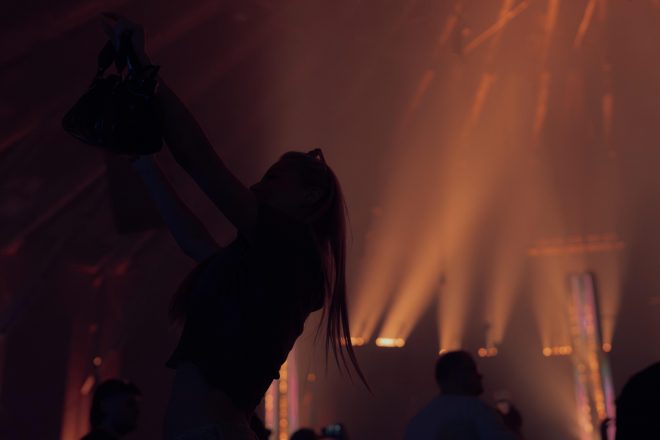
Throughout the afternoon, the emphasis remained on selection, technique and the ability to read the room. Each performance contributed to the progression of the event, maintaining momentum through shifts in tempo, groove and intensity. It was a reminder that the strength of a lineup often lies in the relationship between its artists rather than the impact of any individual set.
Beyond the music, the event carried a particular significance for those familiar with Gashouder’s pre-pandemic years. There was a recognisable sense of connection between the venue and its audience, recalling a period when the building occupied a central place in Amsterdam’s large-scale electronic music culture.
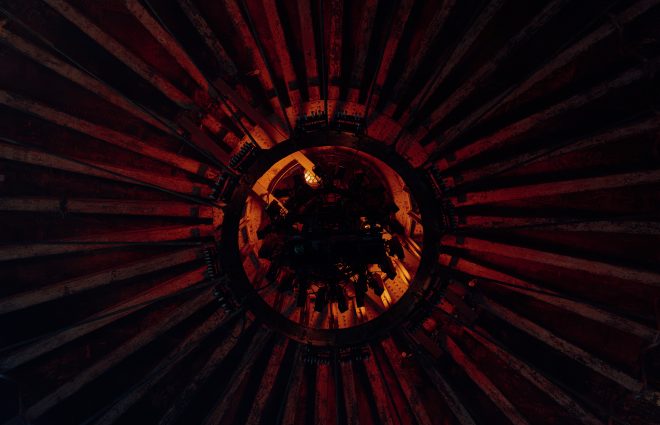
The production demonstrated how the venue’s imposing architecture can accommodate substantial audiences without losing the collective experience at the centre of club culture. The space itself remained an essential part of the event’s identity.
For Gashouder, the significance of the afternoon extended beyond a successful ADE programme. It suggested a renewed commitment to the Dutch electronic music community and to the role the venue can continue to play within it.
The response from the crowd indicated that the appetite for this next chapter is already present. What follows will depend on how that relationship is developed beyond ADE, when the city’s electronic music culture returns to its everyday rhythm.
PAUL KALKBRENNER X LOVELAND
22 October 2026 | Theater Amsterdam
Five hours inside Paul Kalkbrenner’s musical universe
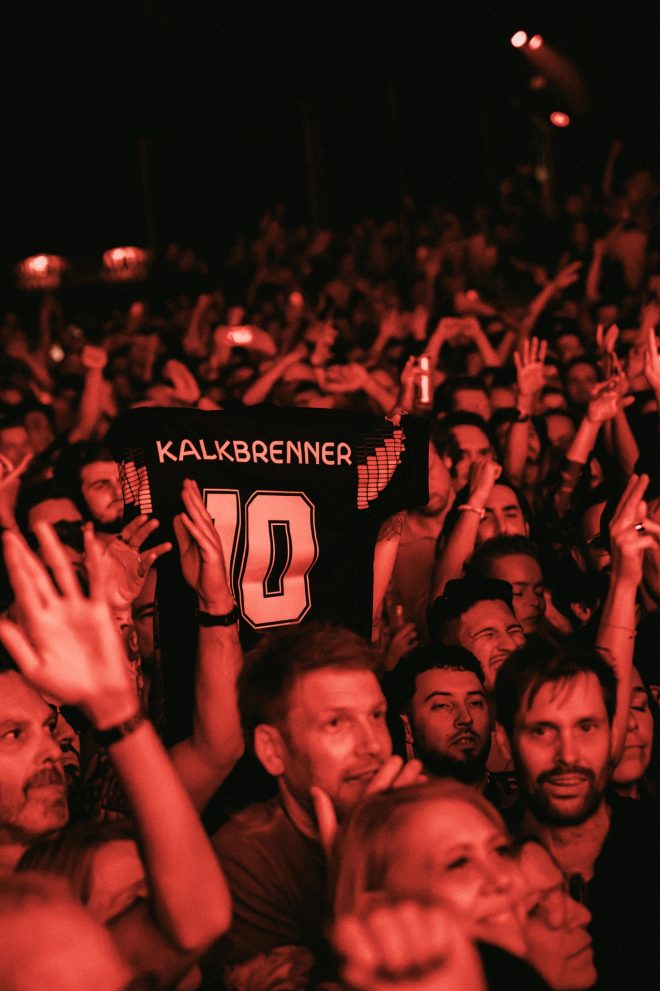
Paul Kalkbrenner’s relationship with electronic music has always been defined by a particular understanding of time. His productions develop patiently, allowing melodies to emerge through repetition and subtle changes in structure. At Theater Amsterdam, during the 30th anniversary edition of Amsterdam Dance Event, that approach found room to unfold across an extended five-hour live performance.
Presented in collaboration with Loveland, the event brought 1,100 attendees into a setting considerably more intimate than the large festival stages frequently associated with the Berlin producer.
The venue’s acoustics played an important role in shaping the experience. With the focus directed towards sound rather than overwhelming visual production, the performance created space for the details of Kalkbrenner’s arrangements to emerge. Melodic passages, rhythmic transitions and the gradual development of individual compositions became central to the evening.
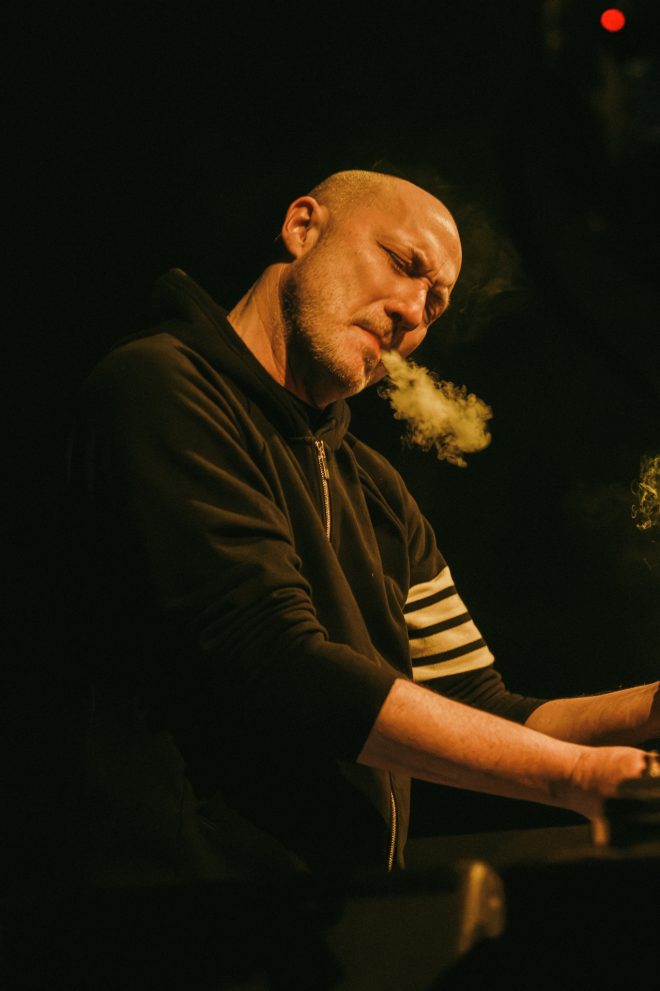
Across five hours, Kalkbrenner moved between familiar material and newer productions, maintaining the distinctive relationship between melody and techno that has characterised much of his work.
A live rendition of “Sky & Sand” became one of the evening’s defining moments. The track remains closely associated with a particular period in European electronic music, yet its presence within the set felt connected to the wider narrative rather than introduced solely for nostalgia.
The audience’s response was immediate. Heads moved in unison, hands rose during recognisable passages and moments of collective anticipation developed as familiar melodies returned. What stood out was the sustained attention across the performance, particularly during its more restrained sections.
For Loveland, the collaboration reflected an approach to programming that places established figures alongside the continuing evolution of electronic music. Rather than treating longevity as a retrospective exercise, the event allowed an artist with an extensive catalogue to present that material within a contemporary setting.
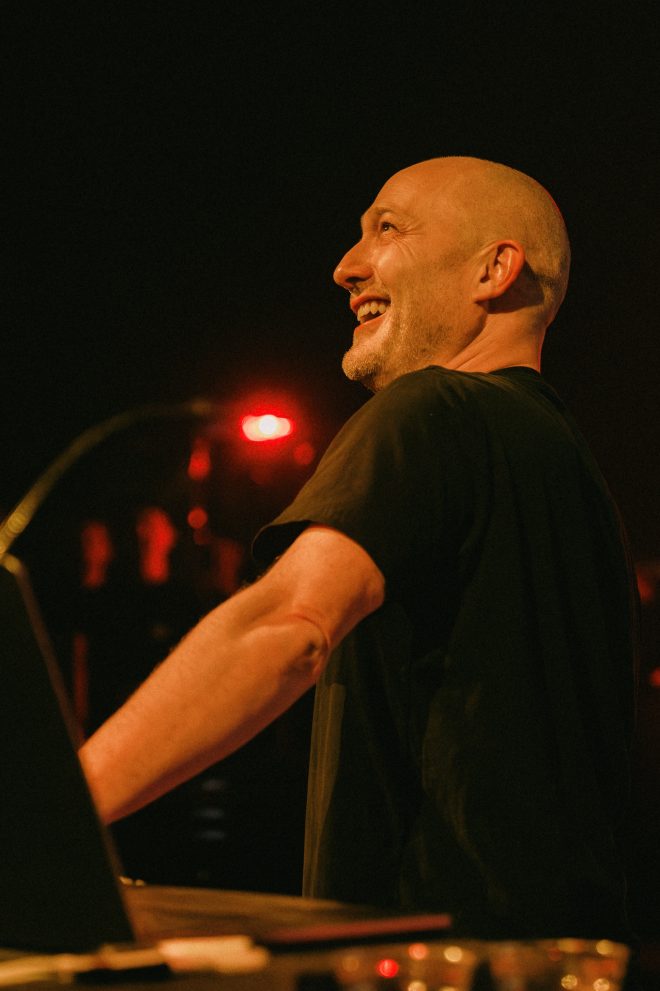
There is a particular value in creating space for performances of this duration. In an environment increasingly shaped by compressed festival schedules and short-form digital consumption, five hours offer a different relationship with an artist’s work.
The evening also demonstrated how ADE can accommodate experiences that sit outside the conventional expectations of a festival programme. The scale was controlled, the musical direction remained focused and the audience was given time to engage with the performance on its own terms.
As Loveland looks towards its 2027 festival, the collaboration offers a useful indication of the balance it continues to pursue: maintaining a connection with the artists who helped shape European electronic music while allowing those relationships to evolve.
AWAKENINGS: SUNDAY SESSIONS
25 October 2026 | Sugarfactory, Amsterdam
One last dance: Awakenings finds its Sunday momentum
By Sunday, Amsterdam Dance Event has already demanded a great deal from its audience. Five days of late nights, crowded dancefloors and overlapping programmes can leave even the most committed clubbers running on limited energy. Yet inside Sugarfactory, Awakenings’ Sunday Sessions found a way to bring the room back into motion.
The effect was immediate. Heavy low frequencies travelled through the industrial space, establishing a physical connection with the music before the dancefloor had fully settled into its afternoon rhythm.
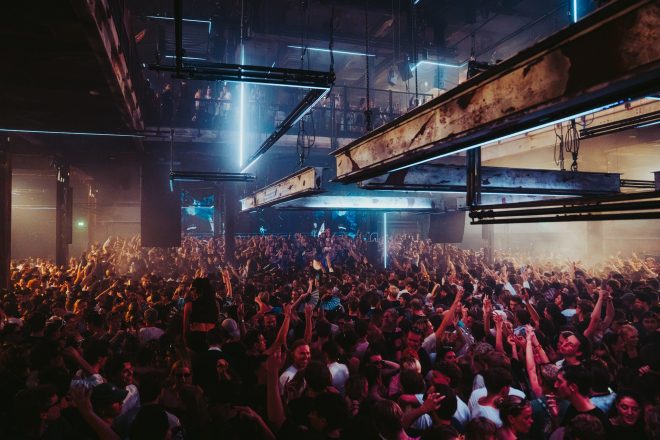
Early performances from CVNTS, Helena Lauwaert and South Star introduced a faster, more forceful musical direction, drawing on hard house, trance influences and driving rhythmic structures. Their sets established the foundations for an afternoon that would gradually move towards greater intensity.
Pegassi B2B DJ Gigola arrived as one of the programme’s most anticipated collaborations. Both artists brought their distinct approaches to contemporary club music into a shared performance, contributing to the momentum already developing across the venue.
Yet it was Benwal B2B DJ HEARTSTRING that emerged as one of the afternoon’s most compelling moments.
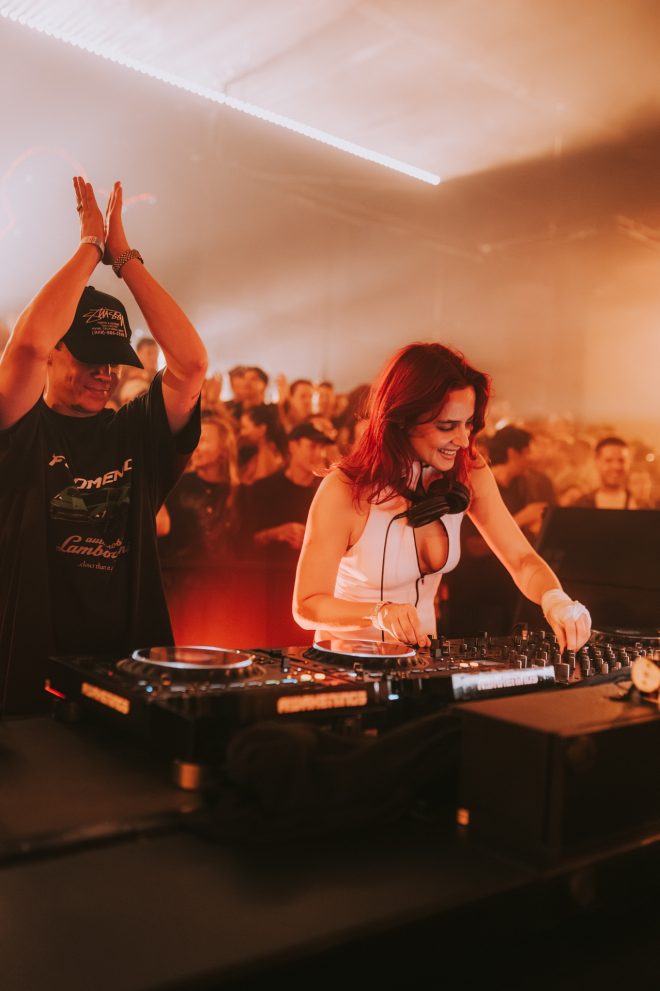
Their performance found a particularly responsive audience. The crowd reacted instinctively to changes in rhythm, melodic breakdowns and vocal passages, with relatively few phones interrupting the connection between the booth and the dancefloor.
Rather than concentrating exclusively on individual drops, the set developed through the relationship between tension and release. Familiar melodic elements created moments of recognition before the rhythm returned, allowing the room to respond collectively.
There was something particularly striking about that level of engagement so late into ADE. After days of constant stimulation, the audience appeared less concerned with documenting the experience than remaining inside it.
Sugarfactory contributed significantly to that atmosphere.
Housed within a former industrial sugar-processing complex, the venue retained an architectural character that complemented the musical direction. The event unfolded across two floors, allowing visitors to move between different spaces while maintaining a connection with the wider programme.
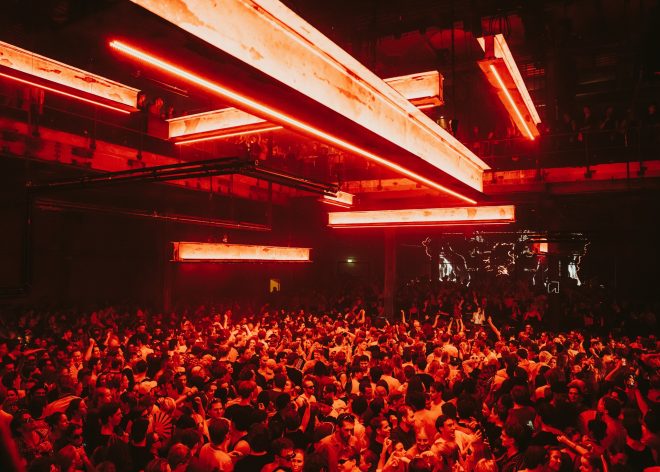
Dedicated seating and food areas provided opportunities to recover without leaving the event entirely. These details mattered during a closing-day session, when comfort and movement between spaces became part of the overall experience.
The production worked with the building’s existing identity rather than attempting to disguise it. Industrial textures and the scale of the interior remained visible, giving the event a sense of place that extended beyond its lineup.
Awakenings has long maintained a close relationship with the harder edges of electronic music. Sunday Sessions demonstrated how that identity can accommodate the melodic and trance-influenced sounds currently circulating through a younger generation of European club culture.
As ADE approached its conclusion, Sugarfactory remained firmly in motion. The fatigue of the previous days had not disappeared, but for several hours it became secondary to what was happening on the dancefloor.
BLACK COFFEE AT ZIGGO DOME
21 October 2026 | Ziggo Dome, Amsterdam
Black Coffee transforms scale into intimacy at ADE
There is a particular challenge in bringing the subtleties of deep, rhythm-driven electronic music into an arena. The larger the space, the greater the temptation to rely on spectacle. At Amsterdam’s Ziggo Dome, Black Coffee approached that scale through musical control, allowing rhythm, melody and carefully structured transitions to shape the experience.
Returning to the venue in collaboration with MOJO Concerts, the South African producer performed a three-hour headline set before an audience of approximately 17,000 during the opening days of Amsterdam Dance Event 2026.
The programme also featured Jimi Jules, MAZ and Jamiie, whose performances introduced different perspectives on contemporary house music before the evening moved towards its central act.
The venue’s configuration placed the main dancefloor at ground level, with additional audiences occupying the surrounding tiers. This arrangement created a layered relationship with the performance, allowing the event to function simultaneously as a large-scale concert and a collective dancefloor experience.
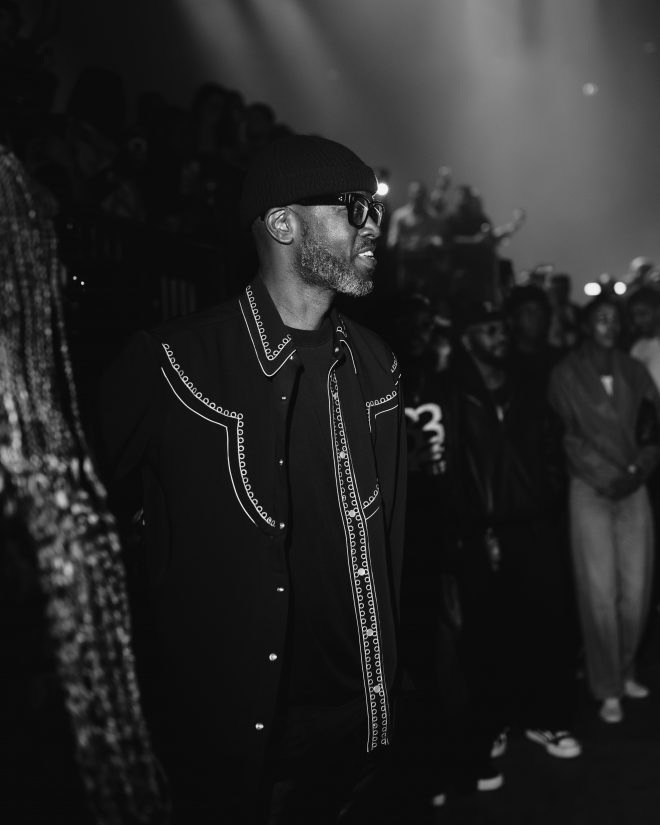
Sound was central to that balance.
The audio system delivered a clear and controlled response throughout the arena, allowing the lower frequencies to retain their physical presence without overwhelming the melodic details. In a venue of this capacity, that precision became an essential part of the musical experience.
Above the stage, a suspended LED structure framed by laser lighting provided the visual centrepiece. Rather than functioning independently from the music, the lighting programme followed the development of the set, using changes in colour, movement and intensity to reinforce its progression.
When Black Coffee took control, the atmosphere shifted.
His opening selections established a measured pace, gradually drawing the audience into a musical language built around percussion, soulful harmonies and carefully positioned melodic elements. The transitions were deliberate, allowing individual tracks to develop before introducing the next movement.
Across three hours, the set moved through Afro house, Afro-tech and deeper forms of electronic music, reflecting the breadth of influences that have shaped Black Coffee’s production and performance style.
What distinguished the performance was the relationship between restraint and scale.
Rather than attempting to fill every moment with intensity, Black Coffee allowed quieter passages to carry their own weight. Percussive patterns created momentum, while vocal fragments and melodic arrangements introduced moments of reflection within the wider rhythmic structure.
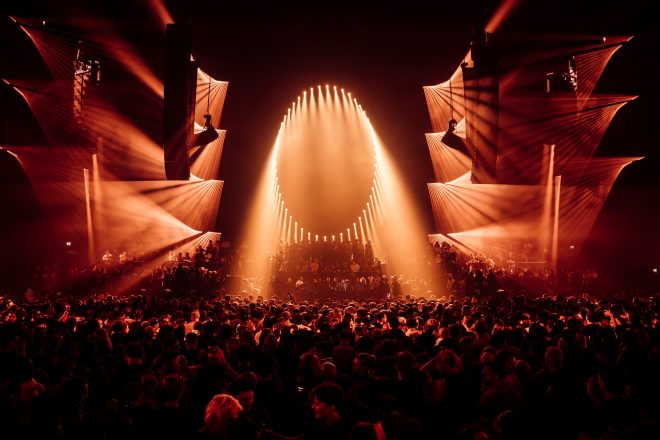
The audience followed those changes closely. Anticipation developed during extended transitions, with collective reactions emerging as familiar elements returned or new rhythmic patterns took hold.
At times, the atmosphere felt unusually concentrated for a venue of this size. Thousands of people were responding to the same subtle shifts in arrangement, creating a sense of shared attention that extended beyond the immediate impact of the production.
The performance also reflected Black Coffee’s position within the international development of African electronic music. His work has helped bring South African rhythmic traditions into a wider global conversation, while maintaining a musical identity rooted in the relationship between percussion, melody and emotional restraint.
At Ziggo Dome, those elements were presented without losing their essential character.
For MOJO Concerts and the venue, the evening demonstrated how ambitious technical production can support a performance without becoming its defining feature. The visual design, sound engineering and spatial arrangement worked towards a shared purpose, allowing the music to remain central despite the scale.
As ADE 2026 began to unfold across Amsterdam, Black Coffee’s return to Ziggo Dome offered an early example of what the event can achieve when an artist’s musical identity is given the space and technical precision it requires.
The arena provided the scale. Black Coffee determined how that space would move.
